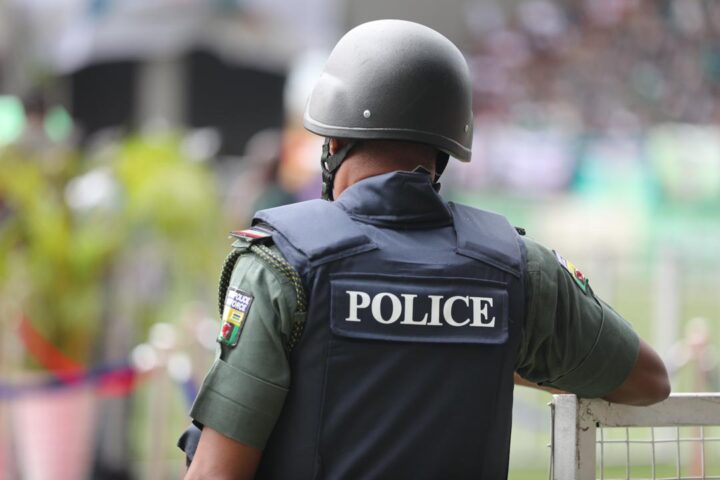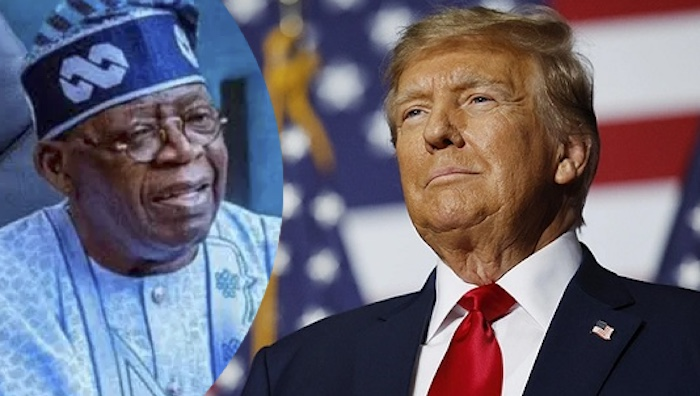
The recent operation by US and Nigerian forces resulting in the death of ISIS's second-in-command marks a pivotal moment in the fight against terrorism in West Africa. Former President Donald Trump announced this development, underscoring the coordination between the US and Nigerian military efforts to combat the growing threat of extremist violence, particularly against Christian communities in the region.
This operation comes amid increasing tensions, with ISIS-linked groups perpetuating violence and destabilizing the region. The loss of a key leader may disrupt ISIS's operational capabilities, but analysts warn that the group remains resilient, leveraging local grievances and recruiting new members. As Trump stated, "This is a significant victory against a brutal enemy, but the fight is far from over."
Looking ahead, the effectiveness of international collaboration will be critical in maintaining pressure on ISIS and preventing the resurgence of extremist ideologies. The Nigerian government must also address underlying issues that fuel radicalization, ensuring that security measures align with community needs. The path forward requires not only military action but also a comprehensive strategy that promotes stability and peace in affected areas.