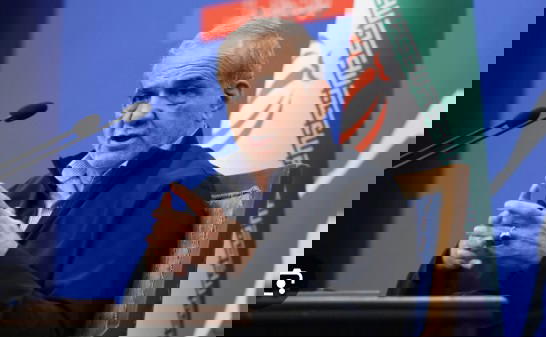
The recent U.S. naval blockade of Iran, initiated on April 13 following a fragile ceasefire, marks a significant escalation in tensions between the two nations. This military maneuver aims to restrict Iran's maritime activities, but Iranian President Ebrahim Raisi has dismissed the blockade, stating it is “doomed to fail.” His comments reflect a broader skepticism regarding the effectiveness of U.S. sanctions and military pressure.
The U.S. government argues that the blockade is necessary to prevent further destabilization in the region, particularly amid ongoing concerns over Iran’s nuclear ambitions and support for proxy groups. However, critics argue that such measures may only serve to entrench Iran’s resolve and complicate diplomatic efforts. The blockade has already prompted fears of increased hostilities in the Gulf, with potential implications for global oil supplies.
As the situation unfolds, the international community is closely monitoring the impact of the blockade on both regional stability and U.S.-Iran relations. The effectiveness of this tactic remains uncertain, and future developments will likely hinge on Iran’s response and the United States' willingness to engage in dialogue.