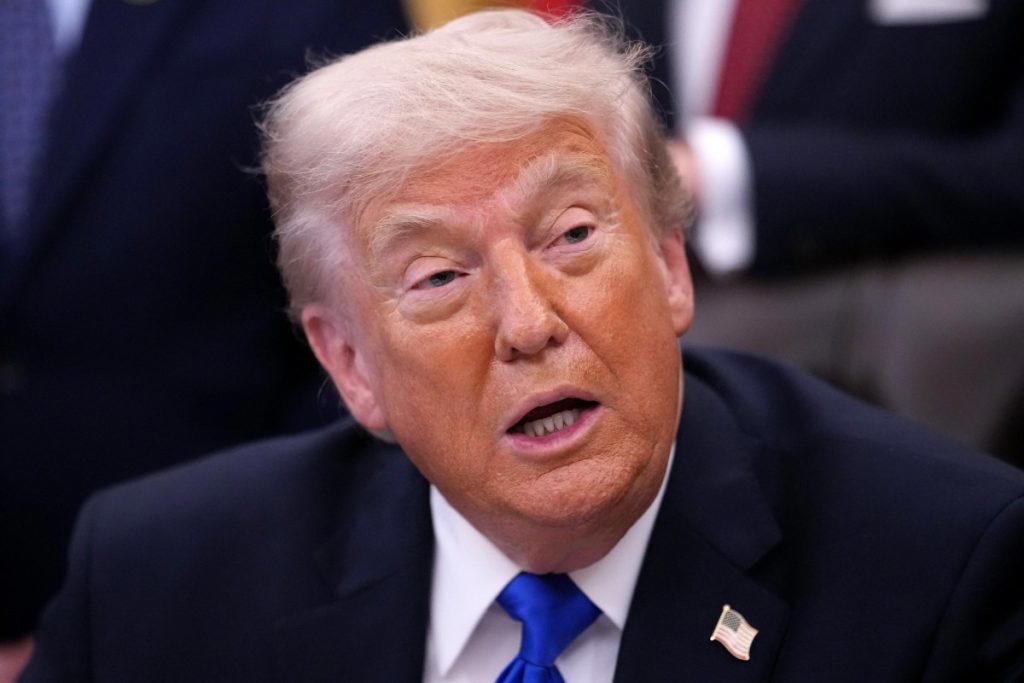
As tensions escalate between the U.S. and Iran, reports indicate that the Biden administration is weighing new military strikes aimed at curbing Tehran's nuclear ambitions. This comes amid heightened regional instability and ongoing accusations of Iranian aggression, particularly in the Persian Gulf. Former President Trump, who has been vocal about national security issues, underscored his relevance in this debate, stating, “In times of crisis, strong leadership is essential.”
The potential for renewed military action reflects a complex backdrop of U.S.-Iran relations, characterized by years of sanctions and diplomatic failures. As Iran continues to enrich uranium beyond the limits set by the 2015 nuclear deal, U.S. officials are grappling with the implications of military intervention versus diplomatic solutions. The current administration faces pressure not only from international allies but also from domestic political factions advocating for a stronger stance against Iran.
Looking ahead, the U.S. must navigate a precarious path, balancing military readiness with diplomatic overtures. The outcome of these deliberations could significantly impact the stability of the Middle East and redefine U.S. foreign policy in the region for years to come.