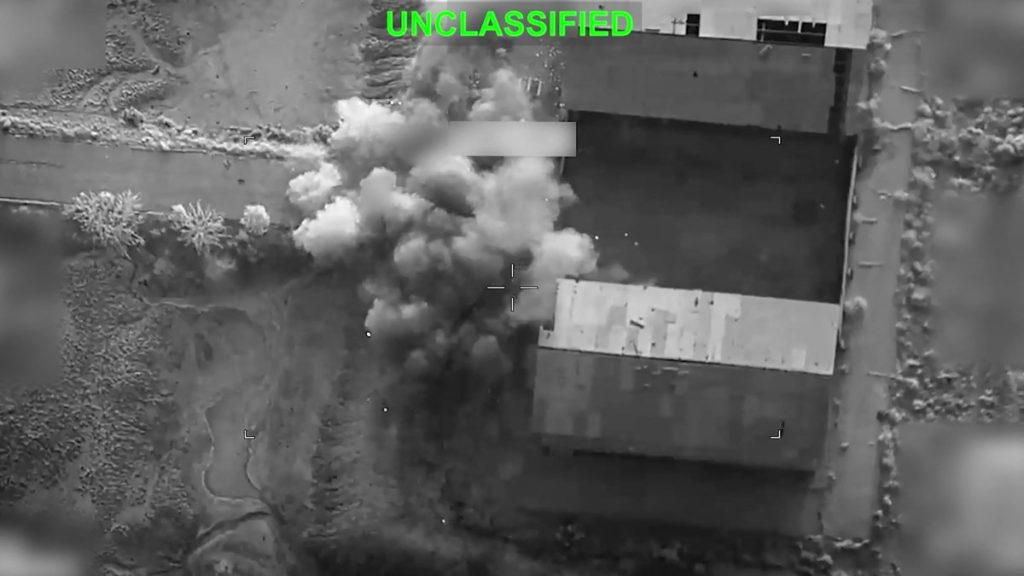
The recent escalation of U.S. military strikes against Iran marks a significant shift in regional dynamics, heightening tensions between the two nations. On July 20, 2026, U.S. Central Command confirmed the new round of strikes, aimed at countering perceived threats from Iranian-backed groups in the Middle East. This action follows a series of incidents that have exacerbated hostilities, including drone attacks on U.S. interests and provocative maneuvers by Iranian forces.
Iran's Foreign Minister Hossein Amir-Abdollahian condemned the strikes, stating, “The U.S. continues to act recklessly, threatening peace in the region.” This sentiment underscores the growing concern among regional actors about the potential for broader conflict. The U.S. has justified its military actions as necessary for national security and the protection of its allies, particularly in light of Iran's nuclear ambitions and support for militant groups.
Looking ahead, these developments could lead to an intensified military presence in the region and increased diplomatic efforts to de-escalate tensions. As both nations brace for further confrontations, the international community will be closely monitoring the situation, hoping to avert a wider conflict.