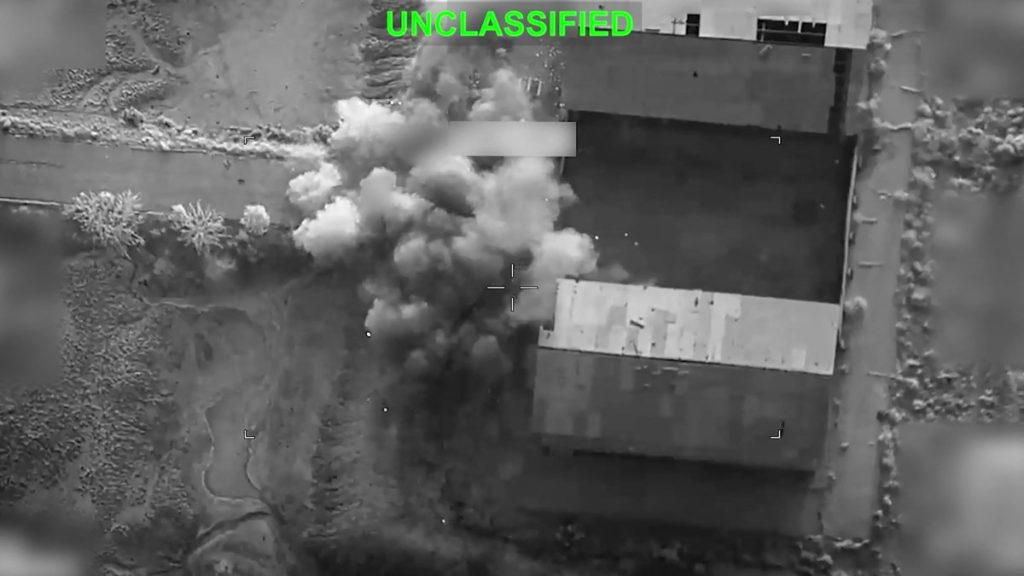
The recent escalation between the United States and Iran marks a significant deterioration in relations, as CENTCOM confirmed a series of airstrikes targeting Iranian positions. This follows the U.S. reimposition of a naval blockade, signaling a return to a confrontational stance that many had hoped was behind them. The strikes appear to be a reaction to Iran's continued military provocations in the region, including threats to maritime security.
U.S. Secretary of Defense Mark Esper stated, “We cannot tolerate actions that threaten our interests and allies.” This remark underscores the U.S. commitment to countering Iranian influence, which has been a longstanding concern for Washington. The blockade and military action are part of a broader strategy to curb Iran's ambitions, but they risk further regional destabilization and retaliation.
Looking ahead, the potential for a broader conflict looms, as Iran may respond aggressively to protect its interests. Diplomatic channels will be crucial in de-escalating tensions, but with both nations entrenched in their positions, finding common ground will be increasingly challenging. The international community watches closely, aware that the consequences of this conflict could ripple far beyond the Middle East.