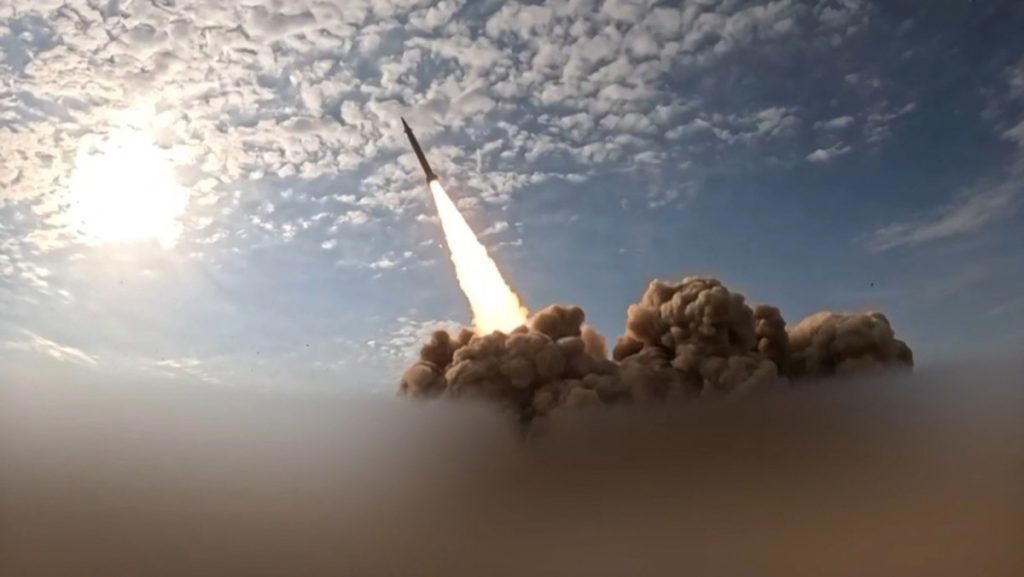
The recent missile launch by Iran targeting Kuwait and Bahrain marks a significant escalation in regional tensions. According to a statement from the U.S. Central Command (CENTCOM), seven missiles were fired, with six intercepted and one failing to reach its target. This incident underscores the ongoing volatility in the Gulf region, where Iran's military actions often provoke swift responses from U.S. forces and their allies.
These developments come in the context of heightened tensions between Iran and its Gulf neighbors, exacerbated by ongoing disputes over nuclear ambitions and regional influence. CENTCOM's spokesperson emphasized, "Our forces remain vigilant and prepared to defend our allies against any threats." This reflects a broader commitment to maintaining stability in a region fraught with geopolitical rivalries.
Looking ahead, the implications of this missile launch could further strain diplomatic relations and provoke retaliatory measures from U.S. allies. As military posturing intensifies, the potential for miscalculation increases, highlighting the urgent need for diplomatic channels to de-escalate tensions and prevent a larger conflict in the Gulf region.