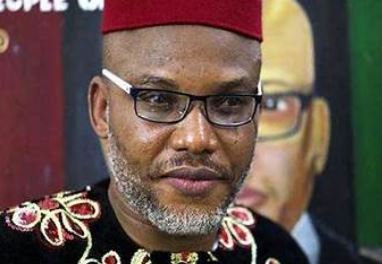
The call for a review of Nnamdi Kanu's case by U.S. Congressman John James underscores the growing international scrutiny of Nigeria's legal processes. Kanu, a prominent pro-Biafra activist, has been embroiled in legal battles that many argue reflect broader issues of human rights and due process within Nigeria. His detention and the charges against him have sparked significant debate, both domestically and internationally, about the treatment of dissent and the protections afforded under Nigerian law.
In his statement, James emphasized, “It is vital that the Nigerian government uphold constitutional guarantees and adhere to international human rights standards in all proceedings involving Kanu.” This call resonates with ongoing concerns from human rights organizations that allege Kanu has faced politically motivated charges and inadequate access to legal representation.
As Nigeria navigates its complex socio-political landscape, the implications of external pressures like this may influence governmental approaches to dissent and civil liberties. The situation poses a critical juncture for Nigeria, where maintaining a delicate balance between national security and human rights will be essential for fostering stability and international goodwill.
