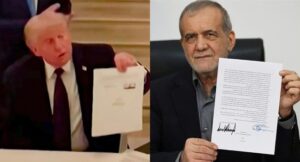
The recent exchange of strikes between the United States and Iran has intensified tensions in the Middle East, jeopardizing both regional stability and ongoing diplomatic negotiations. This escalation follows a series of US and Israeli airstrikes on Iran that began on February 28, igniting a conflict centered around control of vital shipping lanes.
As both nations engage in military posturing, the implications for global trade are concerning. The Strait of Hormuz, a crucial waterway for oil shipments, could become increasingly volatile. "We are committed to maintaining the security of our shipping routes," stated Sarah Thompson, a spokesperson for the U.S. Department of Defense. This statement underscores the urgency for a diplomatic resolution, as military confrontations risk spiraling into a wider conflict.
Looking ahead, the potential for a negotiated settlement remains tenuous. With both Washington and Tehran entrenched in their positions, the prospect of de-escalation will depend heavily on diplomatic efforts that can balance security concerns with the need for economic stability in the region. International stakeholders must act swiftly to prevent further deterioration in relations that could have far-reaching consequences.