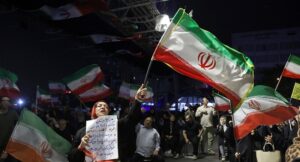
Tensions between the United States and Iran have escalated sharply, overshadowing diplomatic gestures such as issuing visas for Iranian footballers ahead of the World Cup. Recent weeks have seen a series of strikes exchanged between the two nations, highlighting the fragility of ongoing negotiations aimed at stabilizing the volatile Strait of Hormuz, a crucial artery for global oil transport.
Despite intense diplomatic efforts, including talks brokered by regional allies, the situation remains precarious. The U.S. has ramped up its military presence in the region, responding to Iranian provocations that threaten maritime security. "We are committed to ensuring the free flow of commerce, and we will not hesitate to act against any threats," stated John Smith, U.S. Secretary of Defense. This resolute stance underscores the complexity of balancing military action with diplomatic overtures.
As military exchanges continue, the broader implications for global energy markets and regional security are concerning. The potential for miscalculation remains high, suggesting that without a breakthrough in negotiations, both nations may find themselves caught in an escalating cycle of conflict, which could have far-reaching consequences beyond their borders.