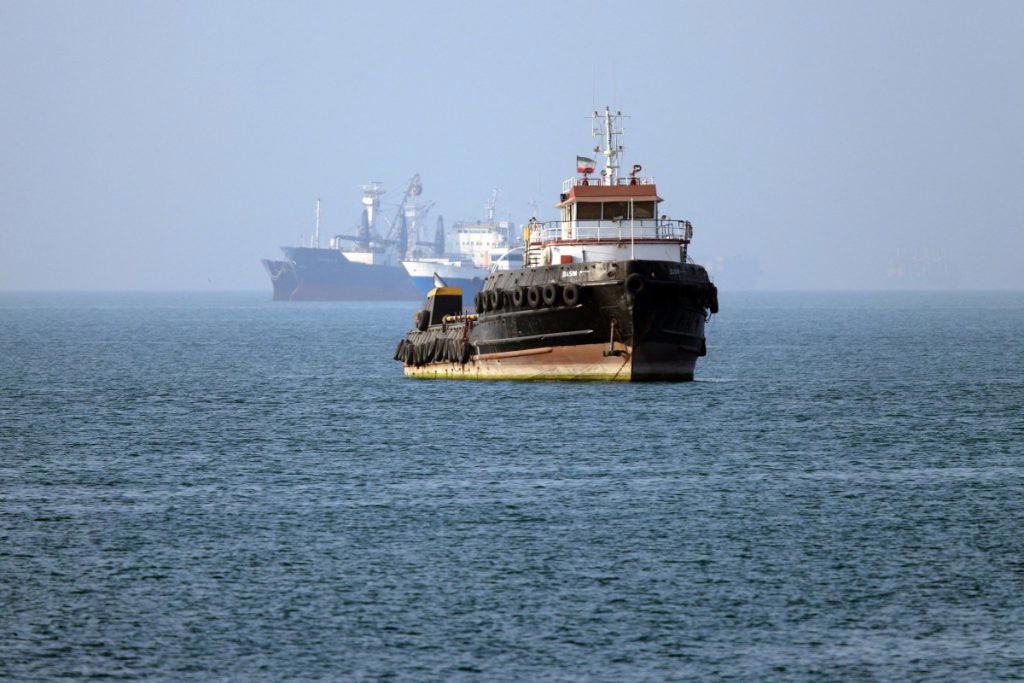
Tensions in the Middle East escalated sharply as the United States and Iran engaged in reciprocal strikes over the strategically vital Strait of Hormuz. Following two consecutive days of military confrontations, both nations are entrenching their positions in a conflict that could have far-reaching implications for global oil supply and regional stability.
Key developments include Iranian forces targeting U.S. naval vessels, prompting retaliatory airstrikes by Washington on Iranian military installations. The Strait of Hormuz, through which about 20% of the world’s oil passes, has become a flashpoint for geopolitical rivalry. "Our commitment to protecting maritime freedom is unwavering," stated Admiral John Smith, commander of U.S. Naval Forces Central Command. This statement underscores the U.S. resolve to maintain its presence in a region that has witnessed decades of conflict.
Looking ahead, analysts warn that continued hostilities could disrupt oil markets and provoke broader regional unrest. As both nations navigate this perilous confrontation, the international community will be closely monitoring the situation, hoping for a de-escalation that prevents a larger conflict.