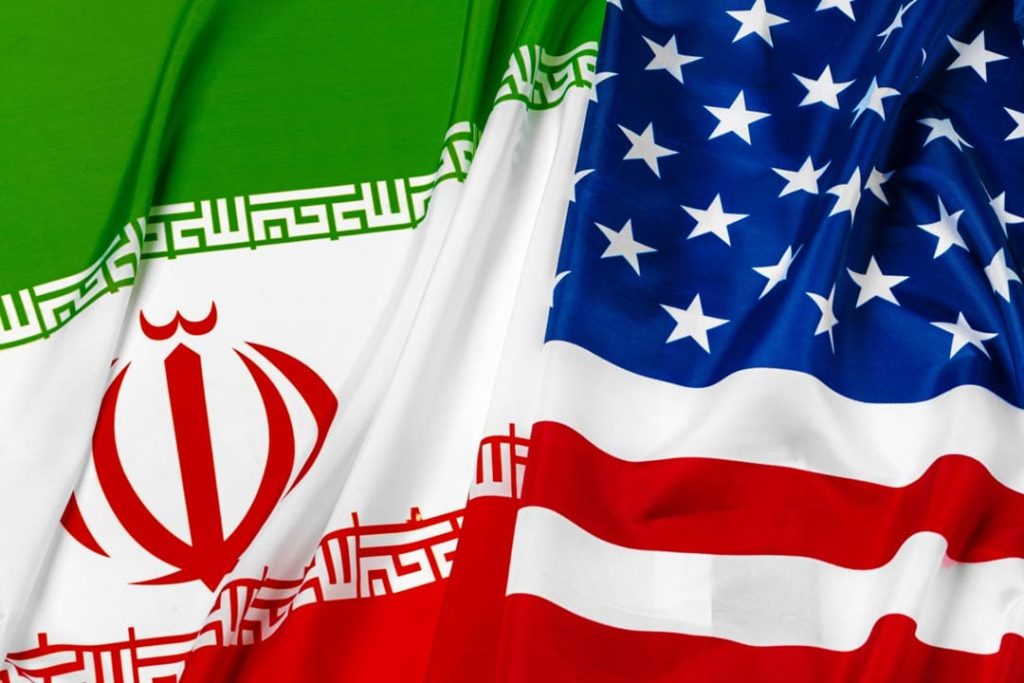
In a significant geopolitical shift, a peace deal between the United States and Iran promises a "permanent" cessation of military hostilities, a development that could reshape regional dynamics. Pakistani Prime Minister Shehbaz Sharif announced the agreement via social media, declaring, "A peace deal has been REACHED," while revealing an official signing ceremony is set for June 19 in Switzerland. The agreement follows years of escalating tensions and military actions, particularly concerning Iran's nuclear ambitions and its influence in the Middle East.
This breakthrough comes amid increasing global pressure for dialogue and diplomacy, as both nations seek to stabilize their respective economies and improve international relations. Analysts note that the deal could pave the way for a broader regional détente, potentially easing conflicts in neighboring countries.
Looking ahead, the successful implementation of this agreement will hinge on mutual trust and compliance. As the signing date approaches, stakeholders will be watching closely to see if this accord can indeed transform decades of animosity into a framework for cooperation. The implications for security and economic stability in the Middle East could be profound, with the potential to inspire similar negotiations in other conflict zones.
