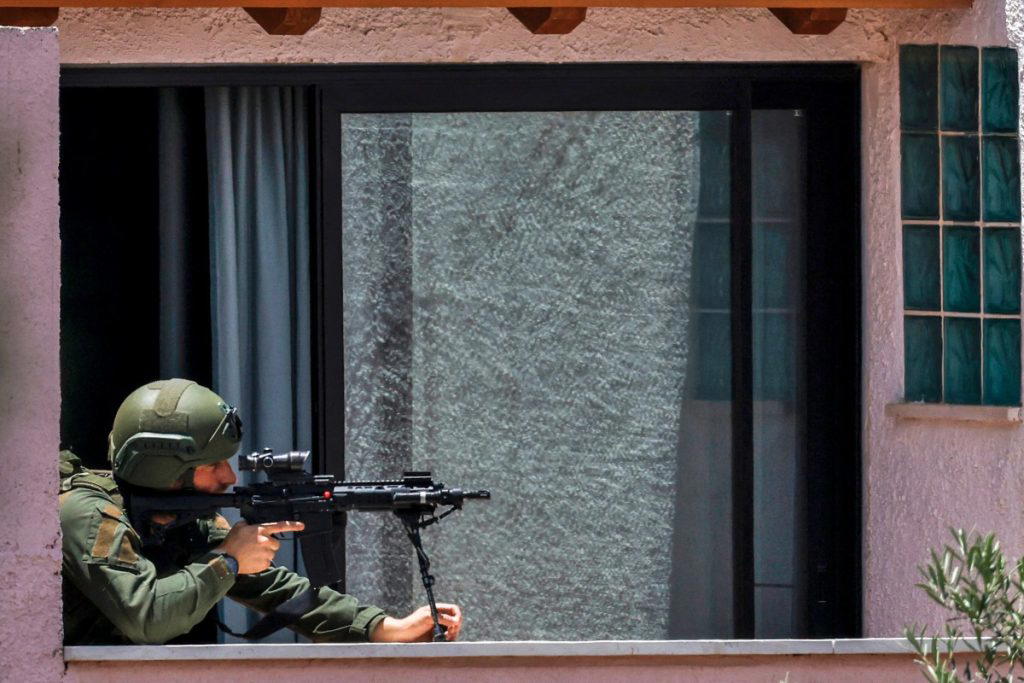
Tensions between the United States and Iran have escalated dramatically as both nations exchanged fire on June 1, 2026, complicating an already tenuous ceasefire. This latest confrontation comes amid stalled diplomatic negotiations, which had offered a glimmer of hope for de-escalation following years of hostilities. The exchange of strikes signals a significant setback, with both parties failing to find common ground on critical issues.
U.S. Secretary of State Antony Blinken stated, "We remain committed to finding a diplomatic resolution, but Iran's provocations leave us with limited options." The stalemate highlights the challenges of navigating a complex geopolitical landscape, where mutual distrust and regional rivalries exacerbate the situation. The U.S. has sought to curb Iran's nuclear ambitions while Tehran insists on lifting sanctions and securing its regional influence.
Looking ahead, the risk of further military engagements poses a grave threat not only to U.S.-Iran relations but also to broader regional stability. As negotiations remain dormant, both sides must grapple with the implications of their actions, as the path to peace grows increasingly fraught with danger.