The recent resurgence of hostilities between the US and Iran underscores the fragility of Middle Eastern peace efforts. This renewed conflict erupted only a month after a preliminary agreement aimed at curbing tensions, which followed extensive US-Israeli military operations against Iran that began in February. The fragile ceasefire was shattered as both sides exchanged strikes, raising alarms over a potential escalation.
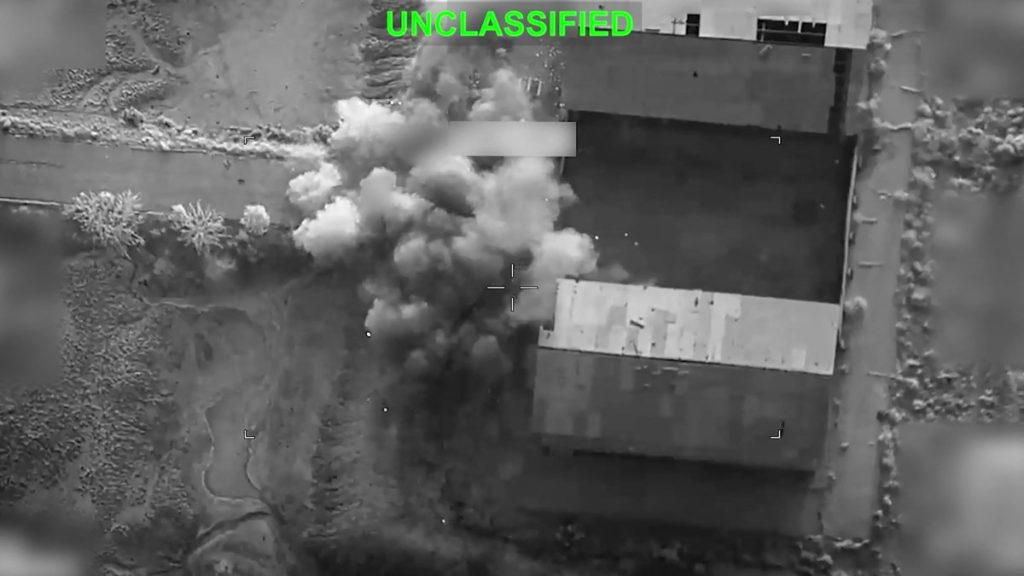
Key developments include Iran's missile attacks on US military bases in Iraq and retaliatory airstrikes reportedly conducted by US forces targeting Iranian assets. The escalation reflects deep-rooted animosities and the failure of diplomacy. "We cannot afford to let our guard down; the threat from Iran remains real," stated General Mark Milley, Chairman of the Joint Chiefs of Staff, emphasizing the precarious nature of the current situation.
As the conflict intensifies, regional allies and adversaries will be drawn into the fray, complicating the geopolitical landscape. The international community must urgently re-engage in dialogue to prevent a broader war. Without concerted efforts to stabilize the region, the cycle of retaliation could spiral out of control, jeopardizing not only Middle Eastern stability but global security as well.