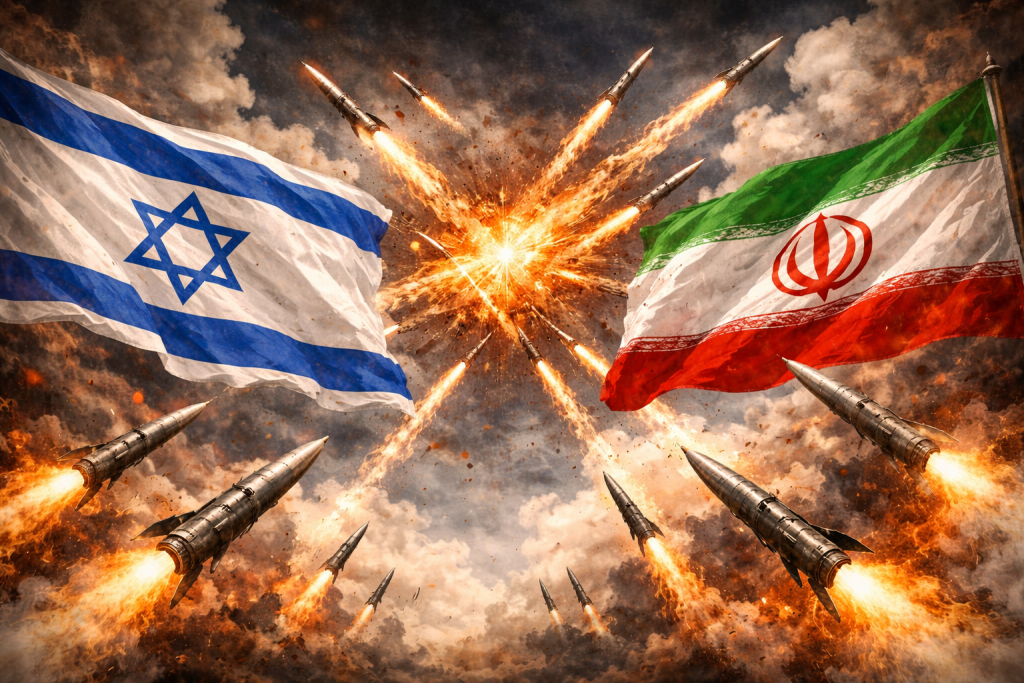
The recent US-Iran deal has ignited fierce criticism from Israeli political leaders, raising concerns about national security ahead of Israel’s elections. Far-right ministers have asserted that Israel is not bound by the agreement, which they view as a potential threat to the country’s safety. In stark opposition, a prominent contender for the upcoming elections warned that the agreement represents a "dangerous turn" for Israel, signaling a shift in how the nation may confront regional adversaries.
The deal, aimed at curbing Iran's nuclear ambitions through diplomatic means, has been met with skepticism in Israel. The government's hardline faction fears it could embolden Tehran and destabilize the region further. This sentiment reflects a longstanding belief among many Israelis that a strong stance against Iran is essential for their security.
As the elections approach, these criticisms may resonate with voters concerned about security issues. The debate over the US-Iran deal will not only shape the political landscape but also influence Israel's strategic posture in the Middle East, prompting voters to consider the implications of diplomatic engagement versus military readiness.

