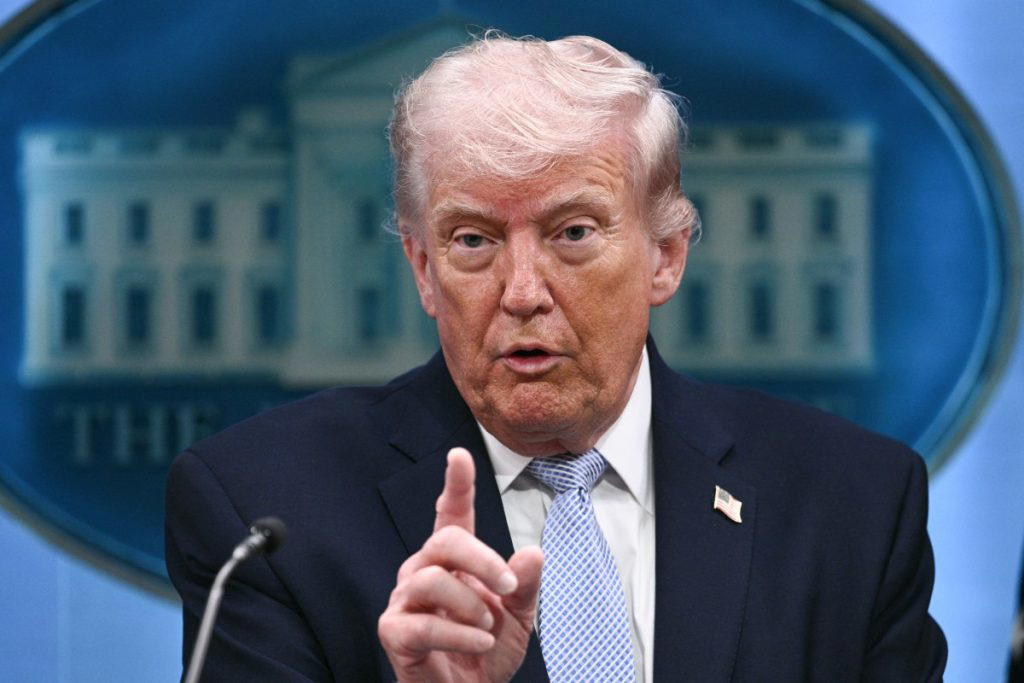
The fragile US-Iran ceasefire, initially established to mitigate hostilities, now teeters on the brink of collapse, as President Donald Trump declared it to be on "massive life support." This statement follows a series of failed negotiations aimed at establishing a framework for peace talks, with both nations unable to agree on critical terms. The ongoing conflict has claimed thousands of lives and exacerbated regional instability, compelling international observers to urge both parties toward dialogue.
Despite previous diplomatic efforts, tensions have intensified, particularly over Iran's nuclear ambitions and its involvement in regional conflicts. Trump emphasized the urgency of the situation: "We can't allow this to continue; we need a resolution." His comments reflect growing frustration within the US administration and among international allies, who are increasingly concerned about the ramifications of a renewed military escalation.
As the stalemate persists, the potential for further conflict looms large, raising questions about the future of US-Iran relations. Without significant diplomatic efforts, the situation could deteriorate further, impacting not just the two nations but the broader Middle East and global security landscape.


