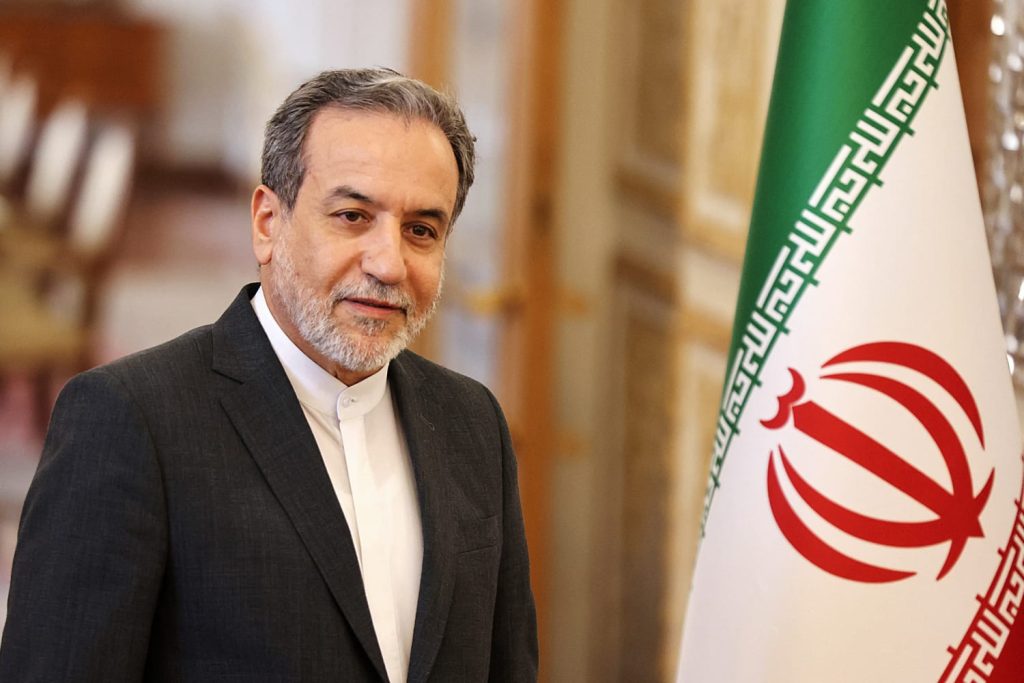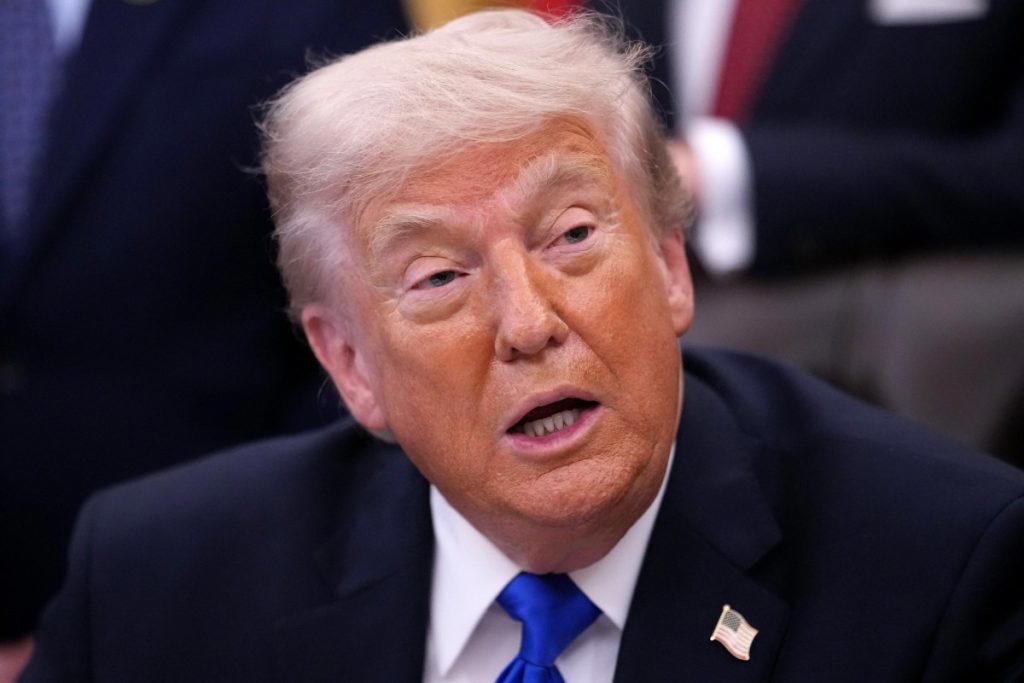
In a significant diplomatic breakthrough, US and Iranian negotiators have reached a preliminary agreement for a 60-day ceasefire extension in the ongoing Middle East conflict. This development, however, hinges on President Donald Trump's approval, creating uncertainty in the negotiations. The framework emerged amid escalating tensions, with both nations previously exchanging accusations over their roles in the conflict, which has claimed countless lives and exacerbated regional instability.
A senior US official emphasized the delicate nature of the talks, stating, "This framework represents a critical step forward, but it requires the President's endorsement to move from concept to reality." The proposed ceasefire aims not only to halt hostilities but also to pave the way for further peace discussions, potentially involving key stakeholders in the region.
As both sides await Trump's decision, the outcome will likely influence broader geopolitical dynamics in the Middle East. Should the President approve the deal, it could signal a transformative shift in US-Iran relations and open avenues for more comprehensive negotiations. Conversely, a rejection may escalate tensions, prolonging the conflict and complicating international efforts for stability.