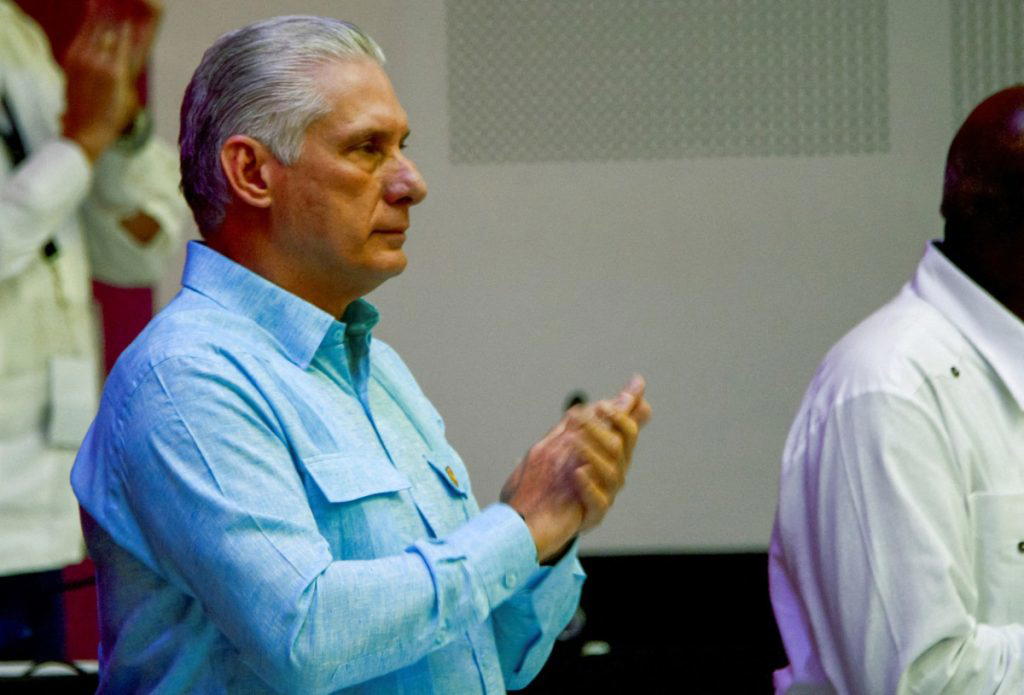
In a significant escalation of tensions, the United States has imposed fresh economic sanctions on Cuba's president, Miguel Díaz-Canel, and several members of the Castro family. This move, announced on June 4, 2026, is part of an ongoing strategy by Washington to increase pressure on the Cuban government amid rising discontent over human rights abuses and economic mismanagement on the island.
The sanctions target individuals seen as complicit in perpetuating the regime's authoritarian rule. According to U.S. Secretary of State Antony Blinken, “These actions affirm our commitment to supporting the Cuban people in their struggle for freedom.” The sanctions come at a time when Cuba is grappling with severe economic challenges exacerbated by the global pandemic and international isolation.
Looking ahead, this latest round of sanctions may further strain U.S.-Cuba relations, potentially complicating any future negotiations. With the Cuban economy under immense pressure and public dissent growing, the effectiveness of U.S. sanctions in bringing about change remains uncertain, and their implications for regional stability will warrant close observation.

