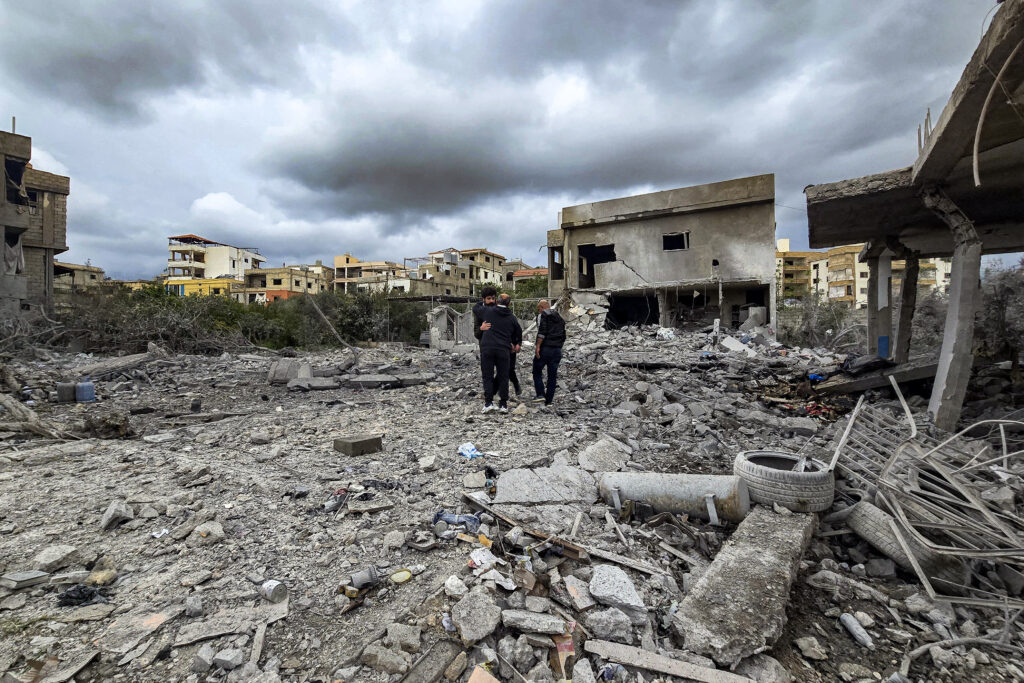
As diplomatic tensions persist in the Middle East, the United States is currently assessing a new proposal from Iran aimed at revitalizing stalled peace talks. The discussions, which follow a tenuous ceasefire, are crucial for addressing the ongoing conflict and reopening the strategically vital Strait of Hormuz, a key artery for global oil transportation.
Since the ceasefire, negotiations have yielded limited progress, with both sides struggling to bridge significant differences. Iran's latest proposal reportedly includes measures to enhance security in the region, but skepticism remains high. National Security Advisor Jake Sullivan stated, “We are committed to finding a diplomatic solution, but it requires genuine commitment from all parties.”
As the U.S. evaluates Iran's response, the stakes are high. A successful agreement could pave the way for renewed stability in the region and alleviate global economic pressures tied to energy supplies. However, if talks falter, both nations may face escalated tensions, potentially destabilizing not just the Middle East but also international markets. The coming days will be critical in determining whether this opportunity for peace can be seized.