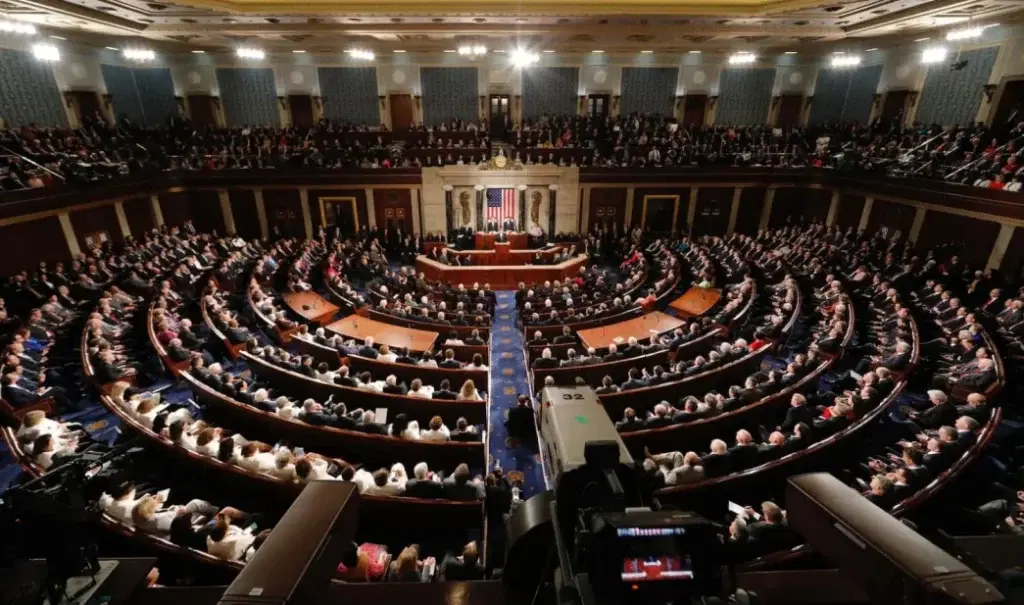
In a significant move to resolve a historic government shutdown, the U.S. Congress has passed a measure to restore federal funding, marking a turning point in the ongoing budgetary impasse. The House's approval follows swift action by the Senate, sending the bill to President Donald Trump, who is expected to sign it into law.
This shutdown, the longest in U.S. history, had severe implications for millions of Americans reliant on government services, with federal employees facing unpaid leave and essential programs at risk. Lawmakers from both parties expressed urgency in reaching a resolution, highlighting the negative impact on the economy. "We cannot allow politics to come at the cost of the American people," stated House Speaker Kevin McCarthy.
As the federal government gears back to normal operations, attention shifts to the implications of this budget agreement. The bipartisan cooperation seen in this instance may signal a potential shift in political dynamics, but underlying tensions remain, particularly as the 2026 elections approach. Future negotiations will be critical in addressing not just funding issues, but the broader challenges facing the nation.