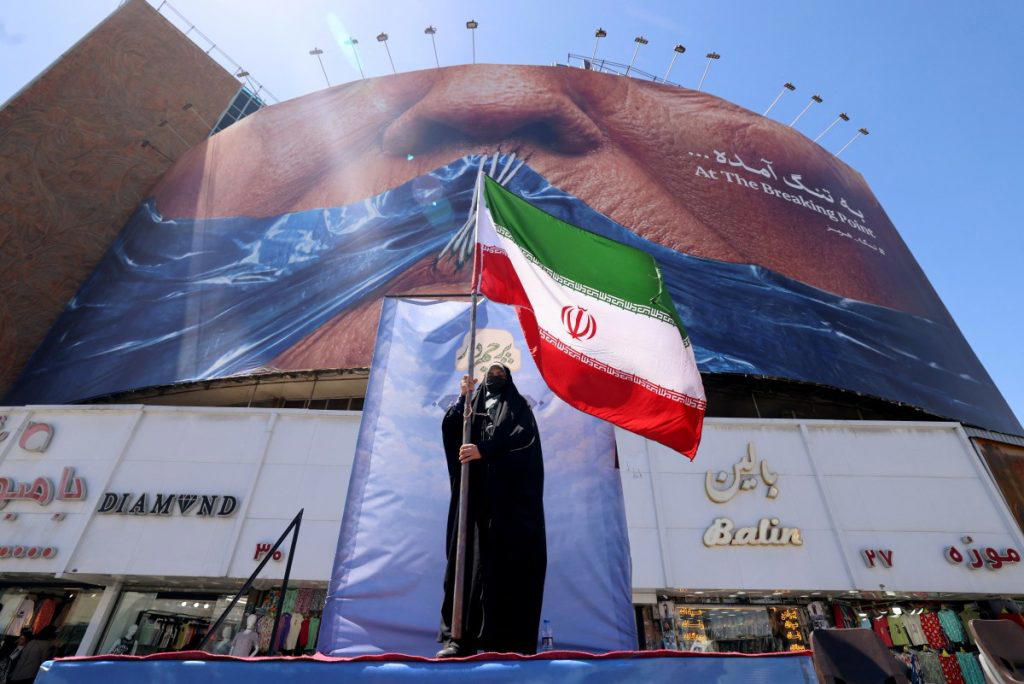
The potential easing of tensions in the Strait of Hormuz marks a significant shift in US-Iran relations, as Iran's state media reports a draft agreement to end the naval blockade imposed by the US since April 13. This blockade has severely impacted Iranian shipping and heightened concerns over global energy security, given the strait's status as a crucial artery for oil transport.
The US has maintained its position to curb Iran's influence in the region, yet the proposed deal signals a willingness to engage diplomatically. "A stable Strait of Hormuz is essential for international trade and energy security," stated Mohammad Javad Zarif, Iran's former foreign minister. His remarks underscore the broader implications of maritime security on global markets.
As negotiations unfold, the potential lifting of the blockade could reshape regional dynamics and reduce the risk of military confrontation. However, stakeholders must remain vigilant, as geopolitical interests continue to collide. The move may also catalyze further discussions on Iran's nuclear program and its role within the international community, suggesting that the path ahead will require careful navigation amid longstanding rivalries.