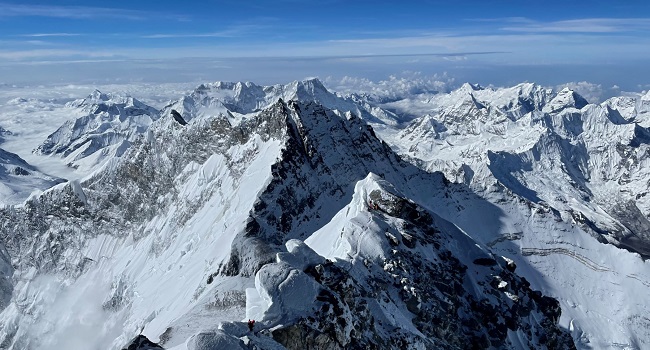
In a remarkable feat, American climber Max Andrews has shattered the speed record for ascending Mount Everest, completing the 8,849-metre journey in an astonishing 9 hours and 55 minutes. This achievement not only highlights the evolution of high-altitude climbing but also raises questions about the sustainability of such extreme pursuits on one of the world's most iconic peaks.
Andrews's record-breaking climb on May 28, 2026, eclipses the previous record by nearly an hour, showcasing advancements in climbing techniques and equipment. The ascent was made possible by meticulous preparation and a deep understanding of the mountain's unpredictable conditions. "This was not just a race against time; it was about pushing the boundaries of human endurance and skill," Andrews stated in a post-climb interview.
As the climbing community reflects on the implications of this record, there is a growing concern about environmental impacts and overcrowding on Everest. Moving forward, the challenge will be to balance the allure of speed and achievement with the need for responsible stewardship of the mountain. This record may catalyze a broader dialogue on the future of high-altitude climbing.
