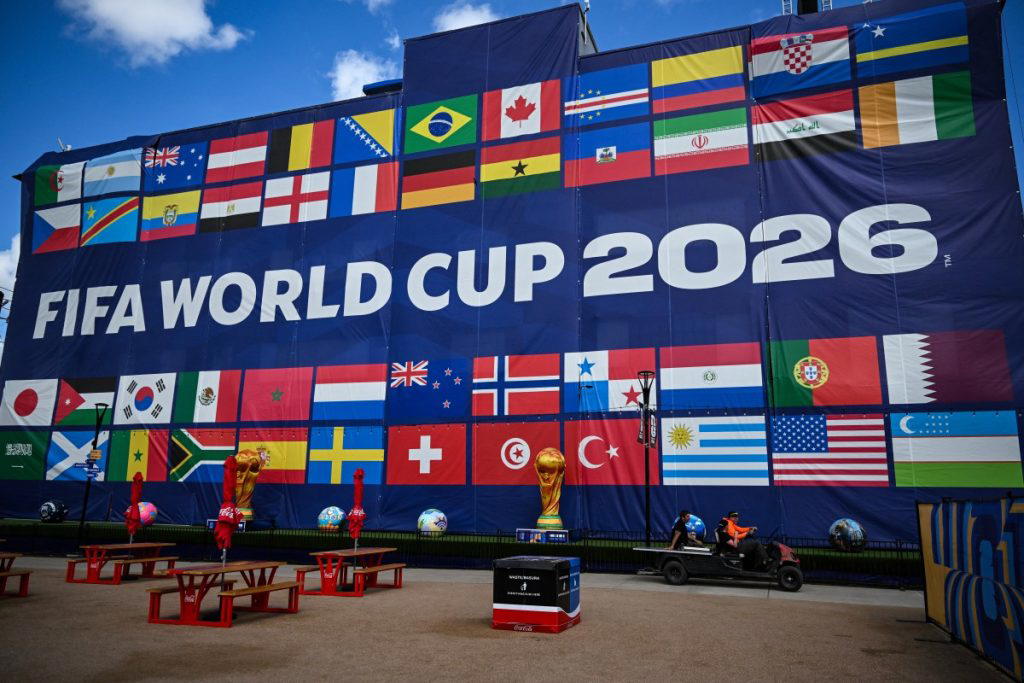
In a controversial move, the United States has barred supporters of Ivory Coast from attending the World Cup, a decision that has sparked outrage among fans and officials alike. This ban, linked to ongoing political tensions and security concerns, underscores the complexities of international sports diplomacy. The U.S. government has cited risks of unrest, but many view the action as punitive and disproportionate.
"We are deeply hurt because it prevents us from fulfilling our sacred duty, which is to support our team," lamented Yves N'Diaye, president of the Ivory Coast Football Federation. This sentiment resonates with countless fans who see the World Cup as a unifying event, transcending political strife. The ban not only affects the supporters' morale but also raises questions about the integrity of the tournament's spirit, which thrives on inclusivity.
As the World Cup approaches, the implications of this ban could extend beyond the pitch, potentially influencing diplomatic relations while igniting debates on the intersection of sports and politics. Observers will be keen to see how this situation evolves and whether it will prompt a reevaluation of similar restrictions in the future.