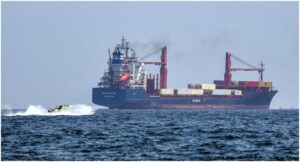
The United States has escalated tensions in the Gulf region by announcing new sanctions against Iran, marking a significant shift in its response to Iran's tightened control over the vital Strait of Hormuz. This strategic waterway is crucial for global oil shipping, and Iran's recent actions have raised alarms within the international community. Despite a ceasefire in place since April 8, which aimed to facilitate diplomatic negotiations, the situation remains precarious as the U.S. has reportedly conducted strikes on Iranian targets in recent days.
Iran's ongoing restrictions on maritime traffic have drawn condemnation from various stakeholders. "We will not allow Iran to disrupt global shipping lanes," stated Secretary of State Antony Blinken, underscoring the U.S. commitment to ensuring freedom of navigation. This latest round of sanctions is likely to further strain U.S.-Iran relations and complicate ongoing diplomatic efforts.
Looking ahead, the potential for renewed conflict looms large as both sides appear entrenched in their positions. The effectiveness of sanctions as a tool for negotiation remains to be seen, but the stakes are high, with global energy markets and regional security hanging in the balance.