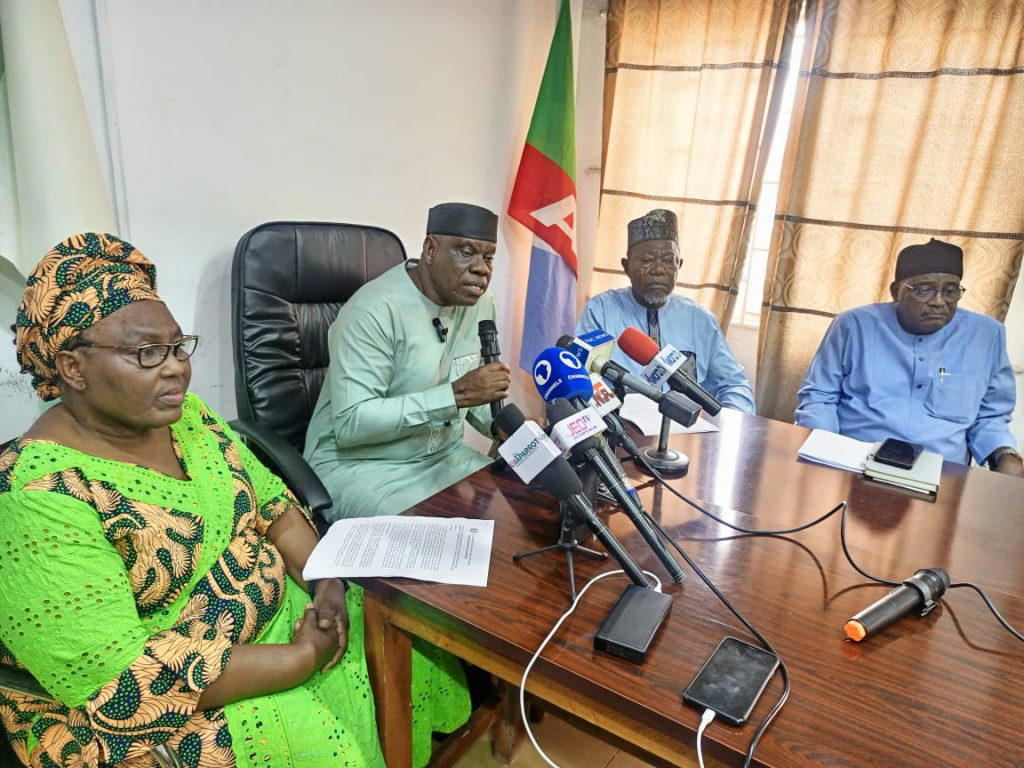
The proposed concession of Nigeria's 120 Federal Government Colleges has ignited significant backlash from the Labour sector, with the Association of Senior Civil Servants of Nigeria (ASCSN) urging President Bola Ahmed Tinubu to reconsider the plan. The Public-Private Partnership (PPP) initiative aims to transfer management of these unity schools to private investors, a move critics argue could compromise educational quality and accessibility.
ASCSN Secretary General, Bobboi Kaigama, emphasized the potential negative impact on students: “This plan will create a divide in our education system, favoring the wealthy while neglecting the underprivileged.” The government's intention to bolster educational resources through private investment has been met with skepticism, as stakeholders raise concerns over transparency and accountability.
With the education sector already fraught with challenges, the resistance to the PPP plan reflects broader anxieties about privatization in essential services. Stakeholders are calling for a more inclusive dialogue that prioritizes educational equity. As the government navigates this contentious issue, the outcome will likely set a precedent for future partnerships between public institutions and private entities in Nigeria.