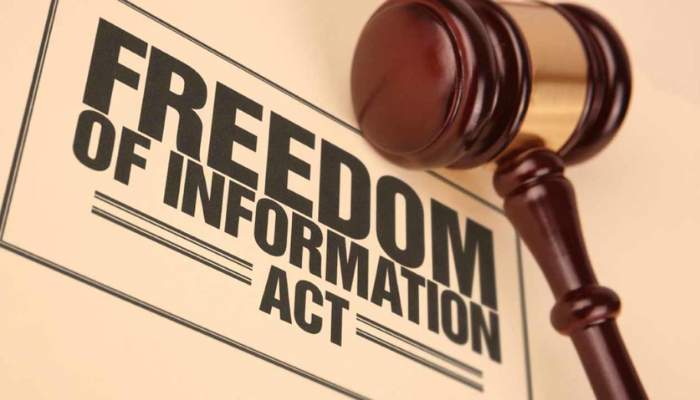
The underfunding of Nigeria's Freedom of Information (FOI) budget poses a significant threat to citizens' access to vital information, undermining a constitutional right established in 1999 and further reinforced by the FOI Act of 2011. Despite the legal framework aimed at promoting transparency, the government's allocation for FOI initiatives remains woefully inadequate, stifling efforts to foster accountability and civic engagement.
Key developments highlight ongoing challenges; a recent report revealed that only a fraction of the allocated funds for FOI implementation was utilized in the past year due to budgetary constraints. "Without proper funding, the essence of the FOI Act is lost, and citizens remain in the dark," stated Dr. Amina Jibril, Executive Director of the Transparency Advocacy Group. This sentiment reflects a growing concern among advocates who argue that a well-funded FOI framework is essential for a healthy democracy.
Moving forward, stakeholders must advocate for increased investment in the FOI budget to ensure that Nigerians can exercise their right to access information. The future of transparency in Nigeria hinges on the government's commitment to prioritizing this crucial area, ultimately enhancing public trust and participation in governance.