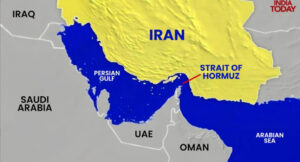
The ongoing closure of the Strait of Hormuz by Iran has exacerbated the global energy crisis, with crude oil prices surging in response to the halted tanker traffic. In February, US and Israeli strikes prompted Iran's retaliatory measures, effectively choking off a vital passage through which approximately 20% of the world's oil supply flows. The International Energy Agency (IEA) has emphasized the critical need for the "unconditional" reopening of this strategic route to stabilize energy markets.
Iran's actions have not only disrupted supply chains but also heightened geopolitical tensions in an already volatile region. Oil prices have risen sharply, impacting economies worldwide, particularly in developing nations that rely heavily on energy imports. "We must prioritize the unimpeded flow of energy resources to avoid further economic turmoil," stated Fatih Birol, Executive Director of the IEA.
Looking ahead, the international community faces a pivotal moment: diplomatic efforts must intensify to ensure the Strait of Hormuz is reopened, balancing regional security with the urgent need for energy stability. Failure to do so risks prolonging the crisis and could trigger broader economic repercussions globally.