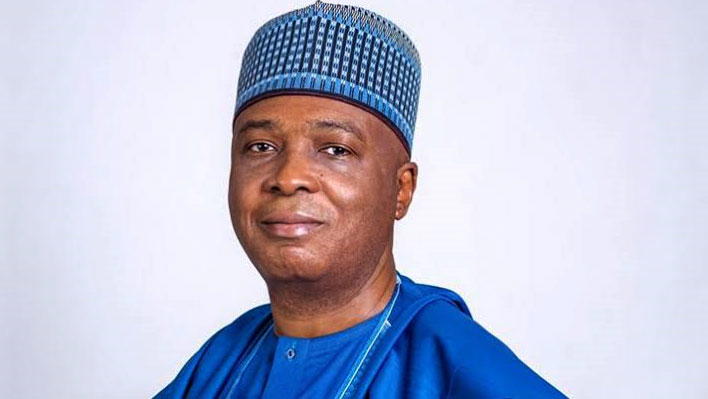
In a recent address, former Senate President Bukola Saraki emphasized that unchecked power remains the most significant threat to Nigeria's democracy. Saraki's remarks come at a time when concerns over authoritarian governance and power consolidation have intensified, particularly amid rising political tensions and governance challenges.
Highlighting the intentions of the nation's founding framers, Saraki stated, "The separation of powers among the executive, legislature, and judiciary was designed to prevent the emergence of absolute authority." This perspective underscores the importance of maintaining robust democratic institutions to safeguard against potential abuses of power. As Nigeria navigates complex political landscapes, the potential for executive overreach looms large, prompting calls for vigilance and accountability.
Looking ahead, the resilience of Nigeria's democracy hinges on the active engagement of its citizens and a commitment to upholding the rule of law. As various factions vie for influence, ensuring that power remains distributed and checked will be crucial for fostering a stable and equitable society. The ongoing dialogue surrounding governance must prioritize transparency and the protection of democratic principles to avert a drift towards authoritarianism.