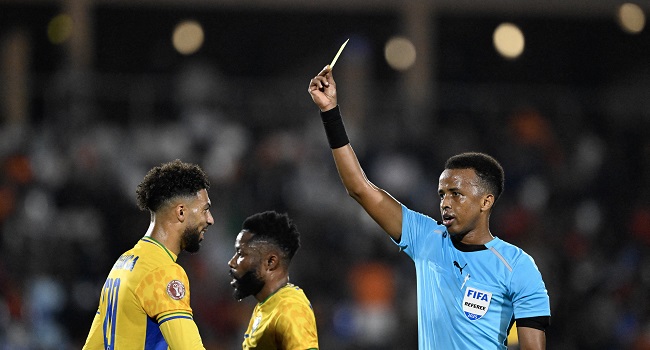
The recent denial of entry to Somali referee Omar Artan by US immigration authorities has sparked significant concern ahead of the World Cup, highlighting the potential repercussions of the Trump administration's immigration policy. Artan's exclusion underscores fears that stringent immigration measures could disrupt the tournament's integrity and inclusivity, particularly affecting talented officials from Africa.
The UN has responded by calling for a "re-think" of US immigration practices, emphasizing the importance of diversity and representation in global sporting events. "The World Cup is a platform for unity and inclusion, and we must ensure that all voices are represented," stated Fatou Bensouda, the UN's special envoy for sports. Such comments reflect a growing sentiment that the current policies may undermine the very essence of international cooperation and goodwill that the World Cup embodies.
Looking ahead, the pressure on US authorities to revisit their immigration stance is likely to intensify as the tournament approaches. A failure to adapt could not only alienate key participants but also tarnish the event’s reputation as a celebration of global unity and sportsmanship.