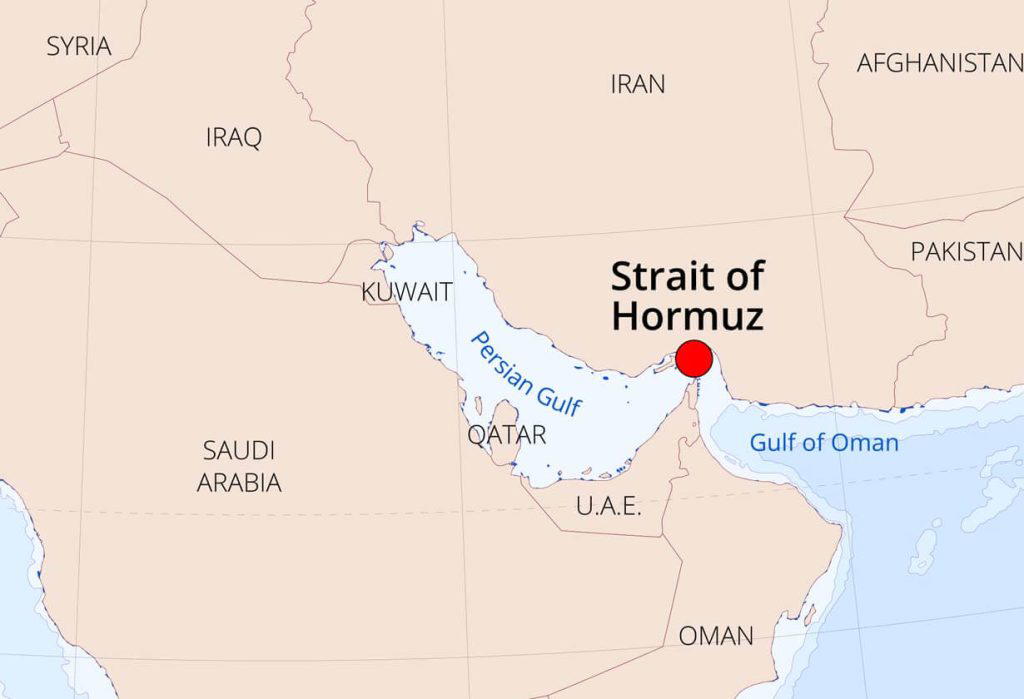
The UAE's decision to accelerate the construction of a new oil pipeline bypassing the Strait of Hormuz underscores the urgent need for energy security amid escalating regional tensions. This strategic move comes in response to recent conflicts that have severely disrupted oil exports through this critical maritime passage, which accounts for nearly a fifth of the world’s oil supply.
Official reports indicate that the pipeline will connect the UAE’s oil fields directly to ports on the Gulf of Oman, effectively reducing reliance on the Strait of Hormuz. "This project is vital for ensuring that our oil reaches global markets without the threat of disruption," said Saif Al-Mazrouei, CEO of the Abu Dhabi National Oil Company. The swift implementation of this plan reflects the UAE's commitment to maintaining its position as a leading oil exporter while mitigating risks associated with geopolitical instability.
Looking ahead, the successful completion of this pipeline could reshape energy logistics in the region, potentially attracting new investments and partnerships. However, it also raises questions about the broader implications for regional security and the ongoing tensions between key players in the Middle East.