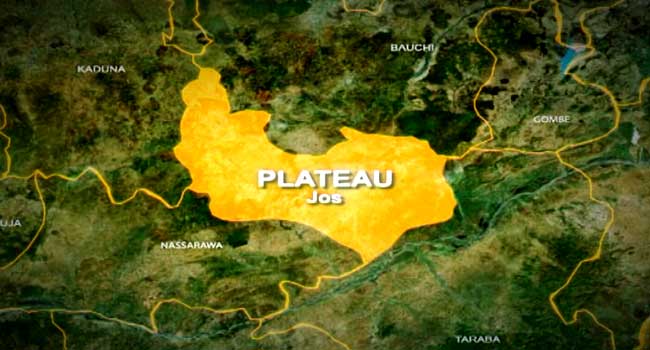
The recent attack on Rangarasa village in Plateau State, which resulted in the deaths of two local vigilante members, underscores the intensifying violence in the region. Over 100 suspected gunmen launched the assault, raising alarms among community leaders about the deteriorating security situation. Berom Youth leader, Samuel Maku, stated, "The government must take immediate action to protect our communities or risk further escalation of violence."
This incident is part of a broader pattern of attacks in Nigeria's Middle Belt, where ethnic and religious tensions have historically fueled conflict. Vigilante groups, often formed in response to inadequate police protection, are becoming targets for armed groups, indicating a troubling shift in the dynamics of local security.
As the government grapples with these challenges, the urgent need for a comprehensive security strategy becomes apparent. The rising frequency of such attacks not only threatens community safety but also exacerbates existing tensions, posing significant challenges to peace and stability in Plateau State and beyond. Stakeholders must work collaboratively to address the root causes of violence and establish a sustainable framework for security and coexistence.