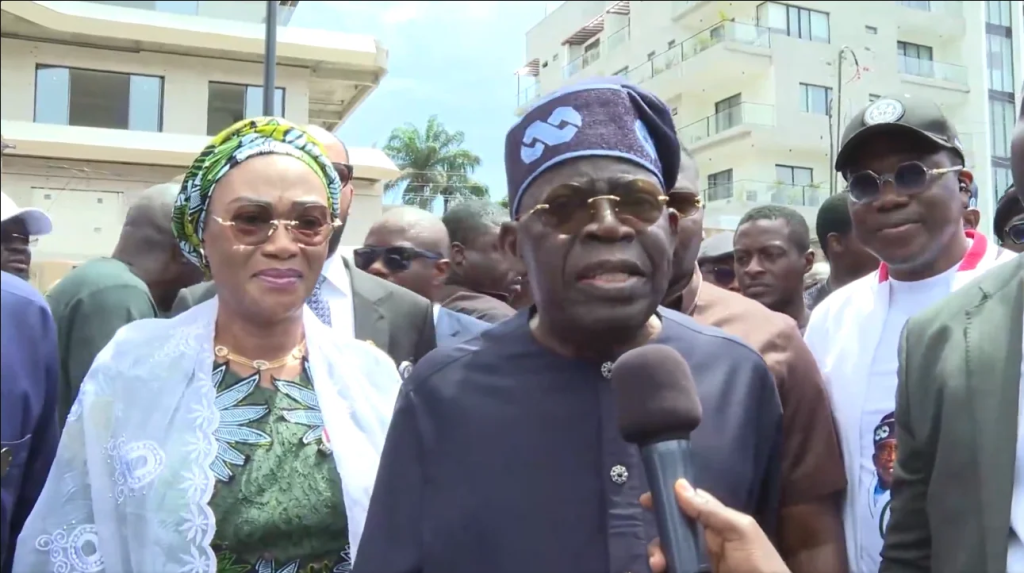
Nigeria's economy under President Bola Ahmed Tinubu has become a focal point of debate as the nation grapples with inflation, unemployment, and currency devaluation from 2023 to 2025. While Tinubu's administration has touted ambitious reforms, critics argue these measures have yet to translate into tangible benefits for the average citizen. Key policies aimed at stabilizing the economy, such as subsidy removal and foreign exchange adjustments, have sparked widespread discontent.
Dele Sobowale, a prominent political analyst, argues, “The real test of Tinubu’s economic performance will be whether ordinary Nigerians see real improvements in their daily lives.” The current economic climate, characterized by soaring prices and limited job opportunities, raises questions about the effectiveness of these reforms. With the global economic landscape also shifting due to external pressures, Nigeria's challenges are compounded.
Looking ahead, the Tinubu administration faces increasing pressure to deliver on its promises as elections approach. The commitment to economic revitalization must translate into actionable plans that address the pressing needs of Nigerians. Failure to do so could jeopardize public trust and reshape the political landscape in the coming years.