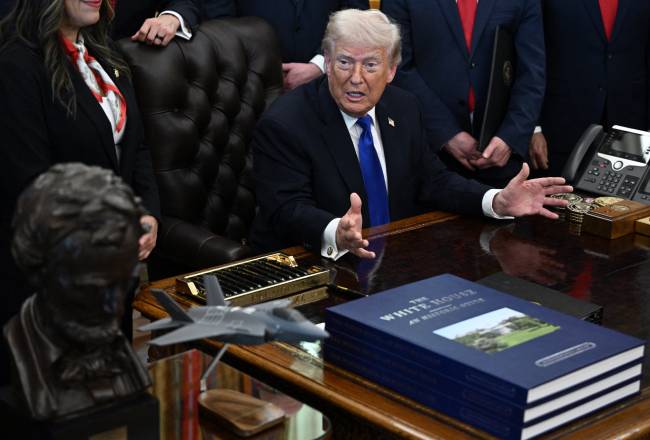
In a striking move that could reshape transatlantic trade dynamics, former President Donald Trump has threatened to raise tariffs on European Union cars and trucks to 25%. This announcement comes on the heels of a prior agreement that set tariffs at 15%, highlighting a significant escalation in trade tensions. The potential increase signals a more aggressive stance from the U.S., as Trump seeks to address what he perceives as unfair competition from European manufacturers.
Industry experts are already voicing concerns about the ramifications of such tariffs on both sides of the Atlantic. “This increase would not only hurt European automakers but could also lead to higher prices for American consumers,” warned Maria Smith, an economist at the Brookings Institution. The ripple effects could extend beyond the automotive sector, potentially impacting broader economic relations and supply chains.
As the U.S. navigates this contentious trade landscape, the implications for American consumers and global markets remain uncertain. Stakeholders on both sides will be closely monitoring developments, as any final decision could either exacerbate existing tensions or pave the way for renewed negotiations.