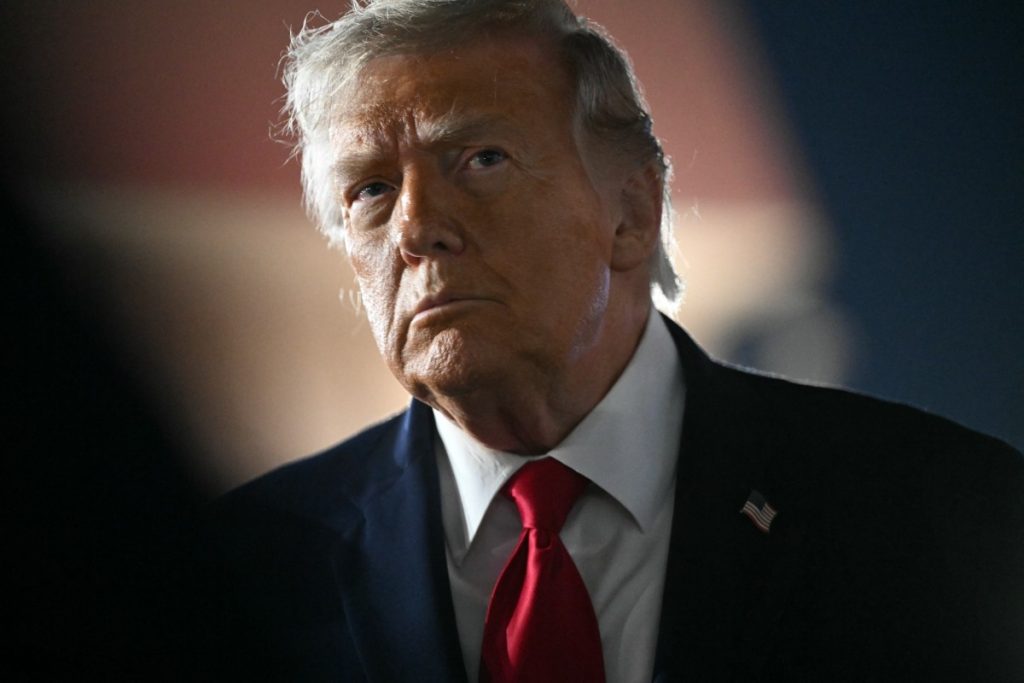
In a significant escalation of tensions, US President Donald Trump declared on June 10, 2026, his intention to renew military strikes against Iran, accusing the nation’s negotiators of deception. "They keep playing us for suckers," Trump stated, reflecting his frustration with Iran's perceived lack of sincerity in peace talks. This rhetoric follows years of fluctuating relations marked by the 2015 nuclear deal, which Trump abandoned in 2018, and ongoing confrontations in the Gulf region.
The backdrop of this announcement includes a series of failed negotiations and a deteriorating security situation, with Iran allegedly continuing its nuclear activities and supporting proxy groups across the Middle East. The US administration's hardline stance aims to pressure Tehran into compliance, yet risks igniting further regional instability.
Experts warn that renewed military actions could provoke retaliation from Iran, endangering American troops and allies in the region. As both sides brace for potential conflict, the international community watches closely, questioning whether diplomacy can still play a role in resolving this long-standing standoff. The coming weeks may prove crucial in determining the trajectory of US-Iran relations and broader Middle Eastern stability.
