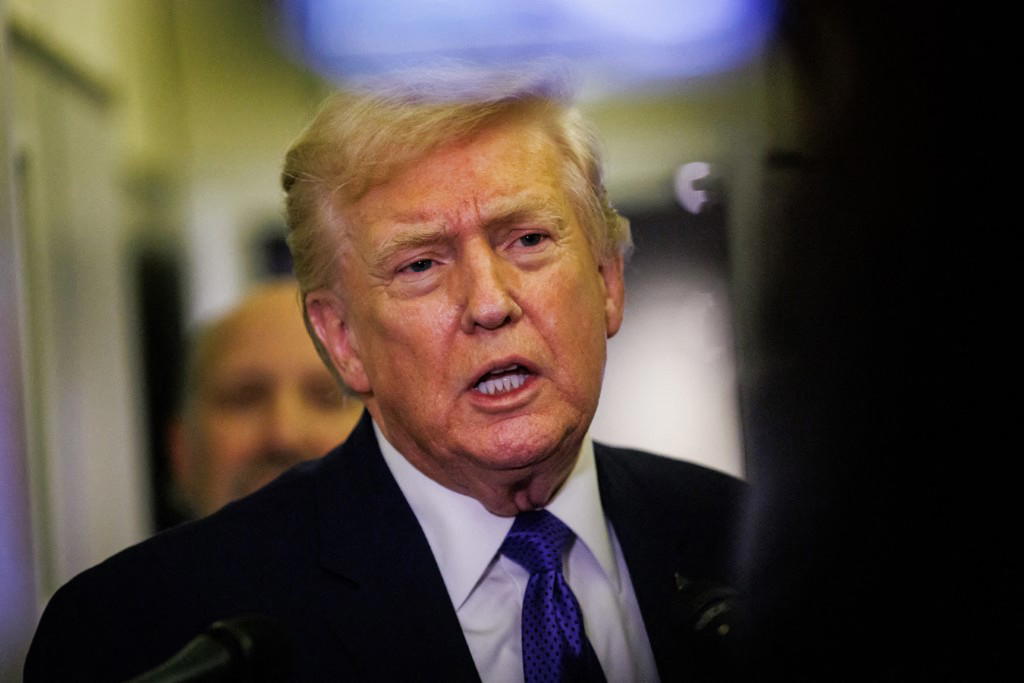
In a bold move that could reshape transatlantic trade dynamics, President Trump announced plans to raise tariffs on European Union cars and trucks to 25%. This decision, framed as a response to perceived non-compliance with a prior trade agreement, signals a possible escalation in trade tensions between the U.S. and Europe. The automotive industry, already grappling with supply chain challenges, now faces an uncertain future as it navigates increased costs and potential retaliatory measures.
Trump's announcement comes amid ongoing negotiations aimed at resolving trade disputes that have lingered for years. "We cannot allow unfair trade practices to undermine our economy," Trump stated, emphasizing the need for a level playing field. This tariff hike could result in higher prices for American consumers and complicate relationships with European allies, raising concerns about a trade war.
Looking ahead, the implications of this tariff escalation could extend beyond the automotive sector, affecting a wide range of industries and consumer goods. As stakeholders assess the potential fallout, the need for diplomatic engagement becomes increasingly urgent to avoid a deeper economic rift.