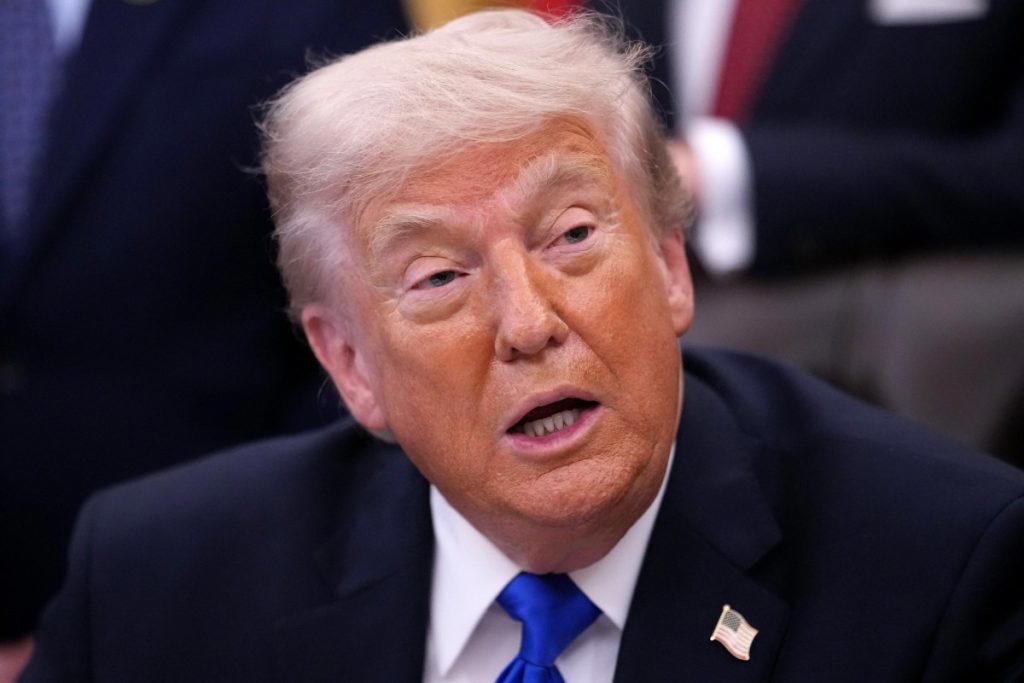
In a significant shift in maritime security policy, President Donald Trump announced that the United States will begin escorting ships through the strategically crucial Strait of Hormuz starting Monday. This decision comes amid rising tensions in the region and follows requests from several nations concerned about the safety of maritime trade routes.
The Strait of Hormuz is a vital chokepoint for global oil shipments, with approximately 20 percent of the world's oil passing through it. Trump's announcement aims to reassure international partners that the U.S. is committed to maintaining freedom of navigation. "We will guide these vessels safely through the strait, ensuring their passage is secure," said Secretary of State Antony Blinken, underscoring the administration's proactive approach.
This move may escalate U.S. military presence in the region, potentially provoking further tensions with Iran, which has historically viewed such actions as provocative. As global energy markets react to these developments, the long-term implications for U.S. foreign policy and regional stability remain uncertain. The world will be watching closely as this initiative unfolds, with implications for both international trade and geopolitical dynamics.