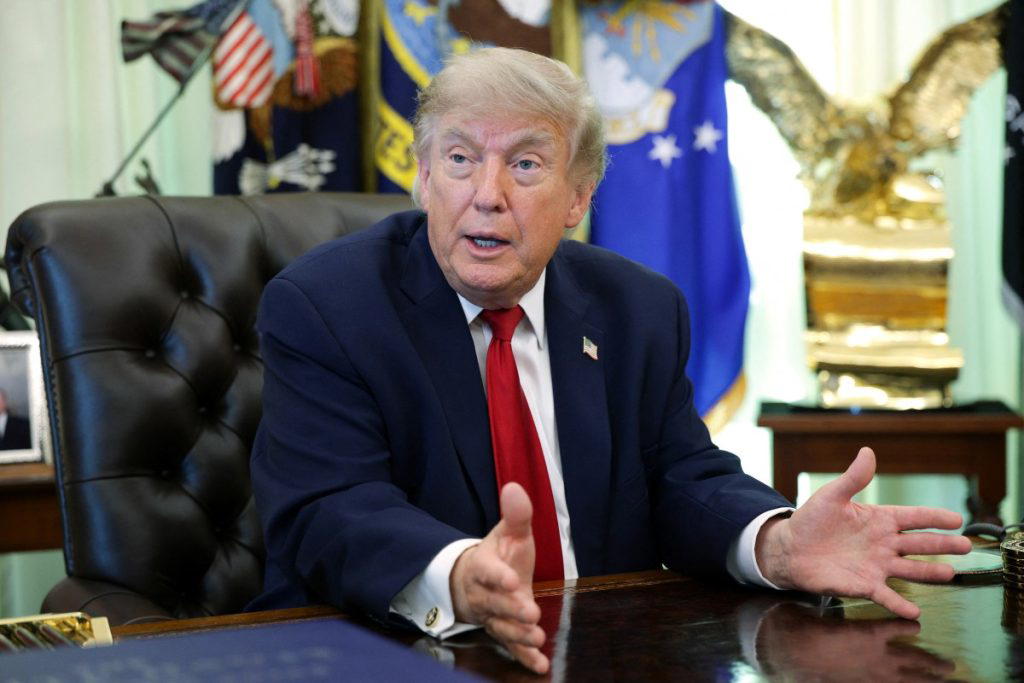
Amid escalating tensions in the Middle East, President Trump has asserted that the United States will demand compensation for its role in securing the Strait of Hormuz, a vital shipping route. His comments come on the heels of unprecedented US and Iranian military engagements, which have reignited fears of prolonged conflict in the region. The strait has become a significant focus, as ongoing hostilities threaten global oil supplies and maritime security.
The conflict, which saw a temporary ceasefire in April, has now devolved into a volatile situation that raises doubts about diplomatic resolutions. Trump's insistence on financial compensation reflects a transactional approach to foreign policy, suggesting that the US may prioritize economic benefits alongside strategic interests. “We will not protect these waters for free,” Trump stated, underscoring a shift in America's role in international security.
Looking ahead, the implications of this stance could lead to increased militarization and a potential escalation of hostilities, as nations confront the reality of a US presence conditioned by financial agreements. The situation calls for urgent diplomatic efforts to stabilize the region and restore safe passage through the strait.