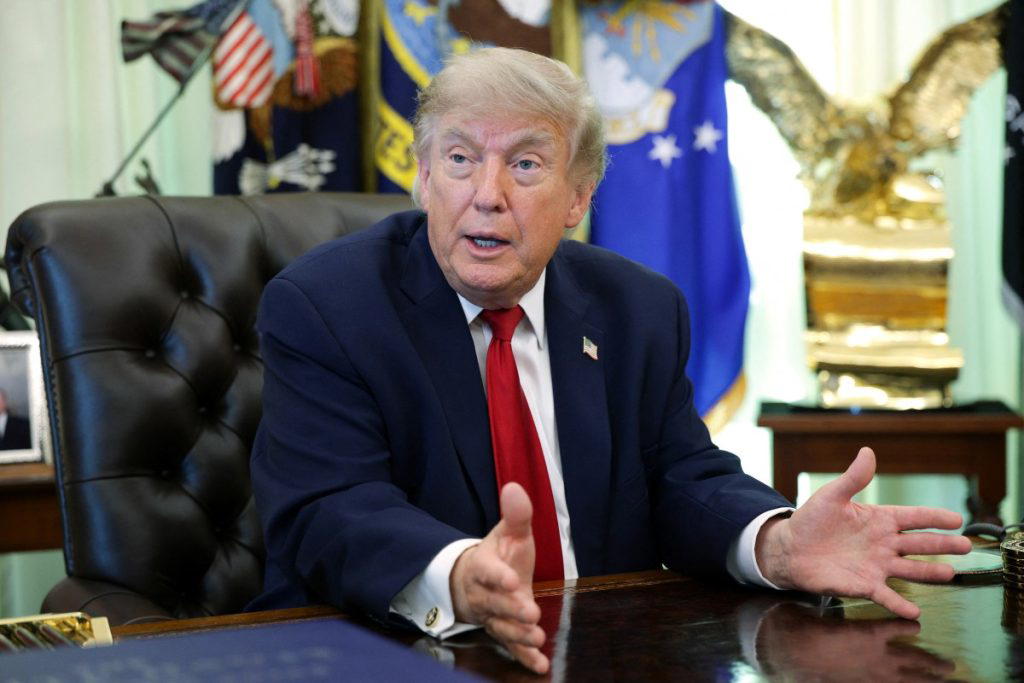
US President Donald Trump's announcement of a meeting with Iran in Qatar has sparked confusion amid conflicting narratives. While Trump claims that Tehran requested the talks, Iranian officials have publicly denied any plans for negotiations aimed at ending the ongoing Middle East conflict. This discrepancy highlights the complexities and tensions surrounding US-Iran relations, particularly as both nations navigate the aftermath of previous diplomatic efforts that fell short.
As the situation unfolds, US Secretary of State Antony Blinken emphasized the necessity of dialogue, stating, "We remain open to discussions that could lead to a more stable region." The geopolitical stakes are high, with the potential for a meeting to either pave the way for renewed diplomacy or exacerbate existing tensions. The backdrop of a volatile Middle East, coupled with the upcoming presidential elections in the US, adds further urgency to the situation.
Looking ahead, the outcome of this proposed meeting could significantly impact regional dynamics and the broader international response to Iran’s activities. Both the US and Iran must carefully consider their next steps, as the world watches to see if this diplomatic overture can yield tangible results or if it will fall victim to mistrust and misunderstanding.