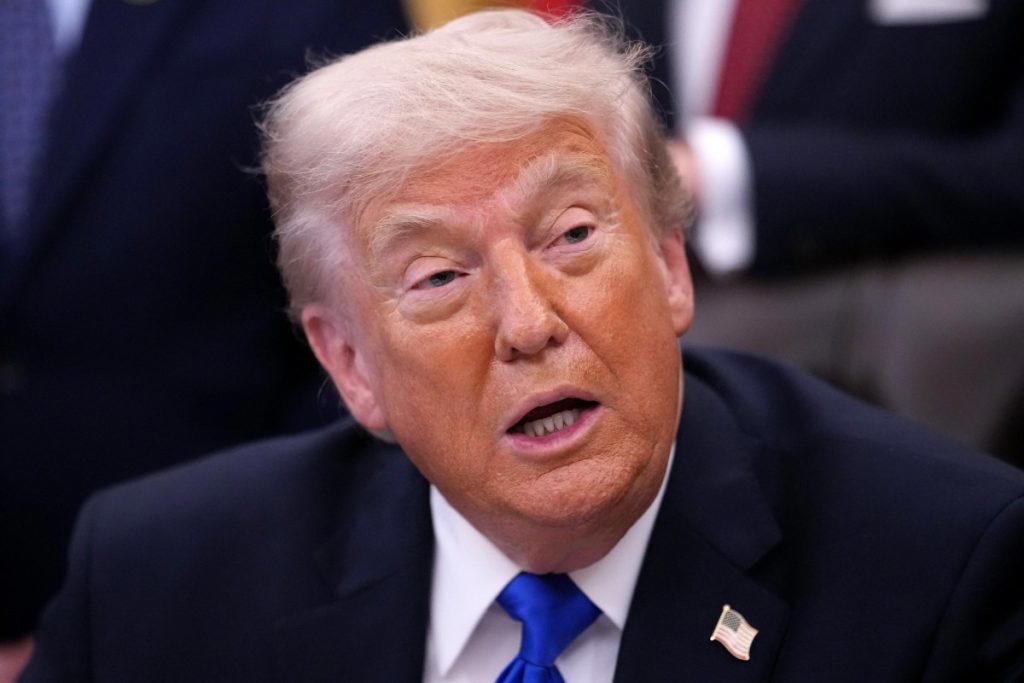
In a surprising turn in U.S.-Iran relations, President Donald Trump announced that Iran has agreed to the "highest level" of nuclear inspections, a move that could reshape geopolitical dynamics in the Middle East. This agreement comes alongside a commitment from the U.S. Navy to cease its blockade of the strategic Strait of Hormuz, a crucial shipping route for global oil supplies.
The development follows months of escalating tensions between the two nations, particularly after the U.S. withdrew from the Iran nuclear deal in 2018. Trump emphasized the significance of the agreement, stating, "This is a monumental step toward ensuring global security and stability." Such cooperation could potentially ease fears of nuclear proliferation, while also addressing Iran's economic struggles exacerbated by sanctions.
Looking ahead, the real challenge lies in maintaining this fragile agreement amidst domestic pressures and regional rivalries. Both nations must navigate the complexities of mutual distrust while fostering a dialogue that could lead to a more stable Middle East. The impact of these developments will be closely monitored by global powers, as the stakes are high for both economic interests and security.
