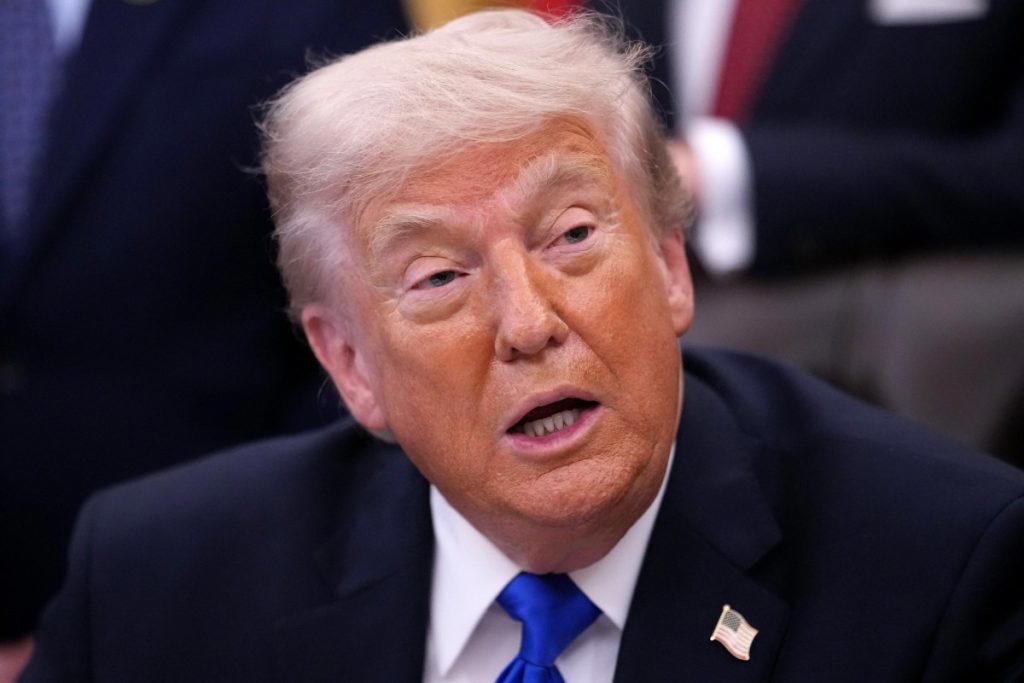
In a surprising shift, former President Donald Trump announced the cancellation of planned military strikes against Iran, citing the recent agreements reached by various nations, though Iran remains excluded. This decision marks a significant pivot in U.S. foreign policy and raises questions about the administration's strategy towards Tehran, particularly in light of ongoing tensions over Iran's nuclear program.
Trump emphasized, "We are on the brink of a historic deal, but Iran must come to the table," reflecting the complex web of diplomatic negotiations currently unfolding. His announcement comes as the United States seeks to rally international support against Iranian aggression while navigating its own domestic political landscape. The implications of this reversal extend beyond military action, potentially reshaping alliances and the geopolitical landscape in the Middle East.
Looking ahead, the focus will shift to whether Iran will engage in meaningful negotiations. The stakes are high, as a successful diplomatic resolution could stabilize the region, while continued hostilities threaten to escalate into broader conflict. As Trump pushes for a deal, the world watches closely, aware that the balance of power in the region is precariously poised.