As the world gears up for the 2026 FIFA World Cup, the intersection of Trump's immigration policies, public health concerns over Ebola, and the global spotlight on soccer raises significant questions about inclusivity and safety. Amidst this backdrop, FIFA's leadership faces criticism for its handling of immigration-related issues, which have become increasingly controversial in the wake of stricter U.S. policies.
The U.S. has seen a surge in anti-immigrant sentiment, complicating the participation of international fans and players. FIFA President Gianni Infantino recently stated, "The World Cup is a celebration of unity; we must ensure it remains open to all, regardless of their background." This sentiment highlights the challenge FIFA faces in balancing national laws with its mission to promote global unity through sport.
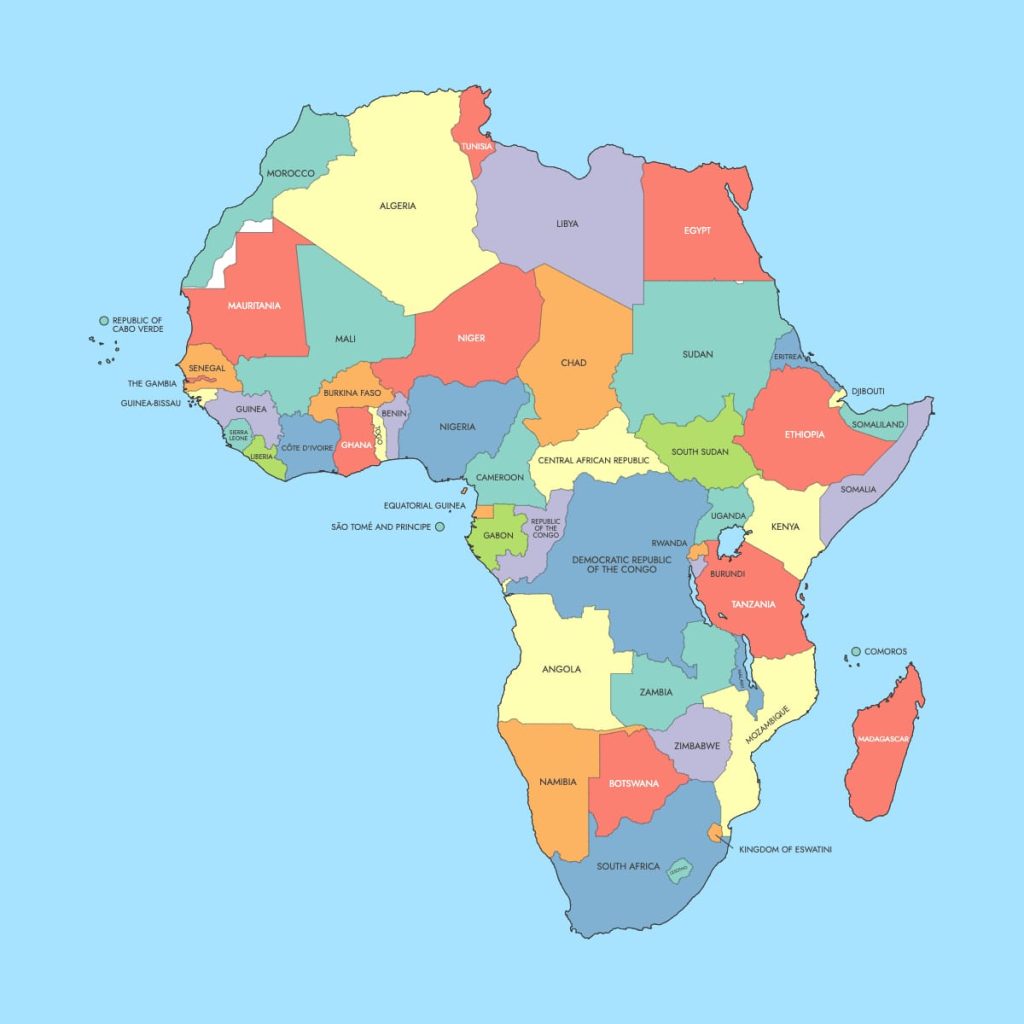
As the tournament approaches, the potential risk of Ebola outbreaks in parts of Africa further complicates the narrative. Effective communication and health protocols will be crucial to ensuring that the event remains safe and welcoming. Looking ahead, the 2026 World Cup has the potential to either reinforce or challenge prevailing narratives around immigration and public health, shaping the future of international sporting events.