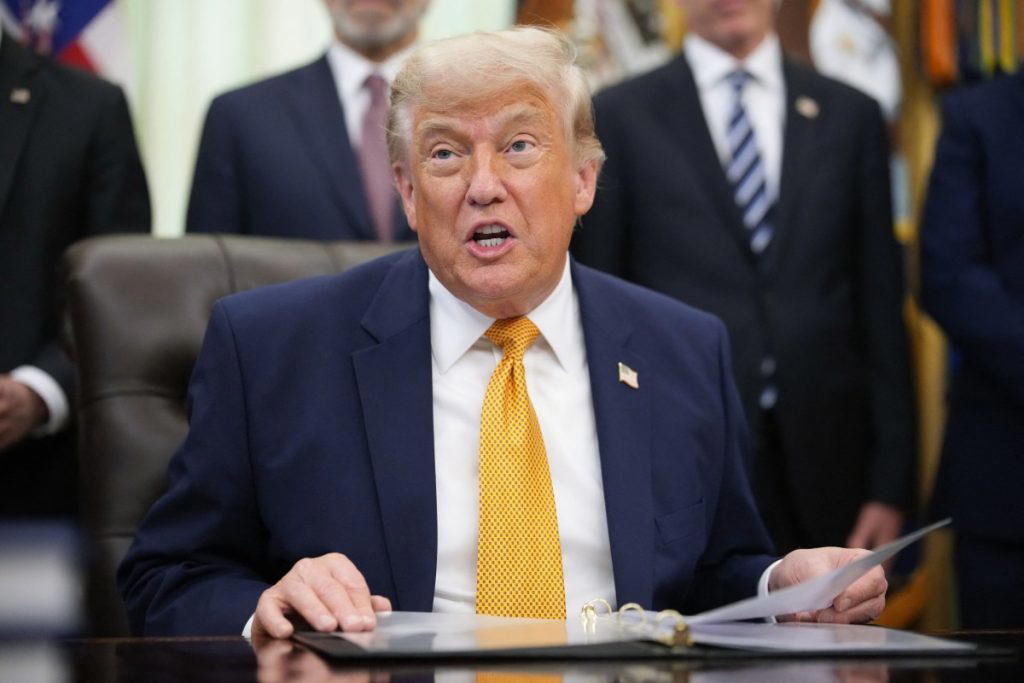
In a significant escalation of tensions in the Middle East, President Donald Trump authorized new military strikes against Iran on July 8, 2026, in response to persistent attacks on commercial vessels in the Strait of Hormuz. This vital shipping route, through which a substantial portion of the world's oil exports transit, has become increasingly perilous as Iran seeks to exert its influence in the region.
Trump's decision comes amid a backdrop of heightened hostilities, with Iran's naval forces reportedly targeting vessels linked to U.S. allies. "If Iran continues its aggression, the consequences will be much worse than they can imagine," Trump stated, underscoring his administration's commitment to ensuring maritime security. This latest move signals a departure from previous diplomatic efforts, reflecting frustrations over Tehran's perceived provocations.
Looking ahead, the situation remains precarious. The potential for further military engagement raises concerns about regional stability and global oil prices. As both the U.S. and Iran navigate this volatile landscape, the international community will be closely monitoring developments, hoping to avert a broader conflict that could have far-reaching implications.