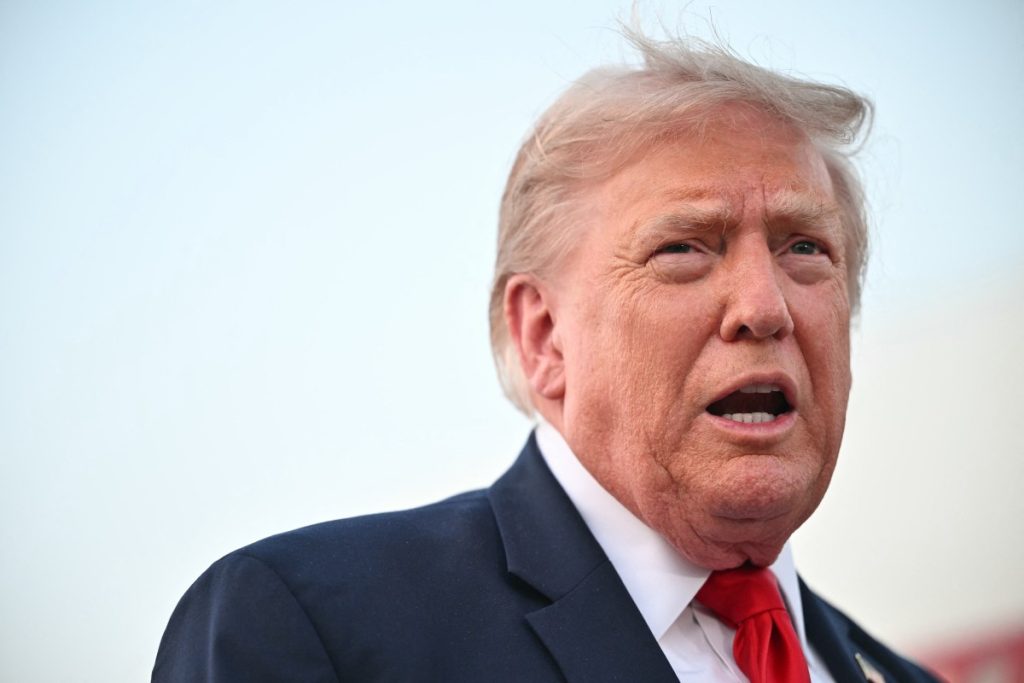
In a significant escalation of trade tensions, President Donald Trump has ordered a new 50-percent tariff on selected Canadian goods, targeting industries including alcohol, automobiles, and dairy. This move, announced on July 20, 2026, underscores ongoing frustrations over what Trump describes as “discriminatory treatment” in trade practices between the two nations.
Historically, U.S.-Canada trade relations have been marked by cooperation, particularly following the USMCA's implementation. However, Trump's latest tariffs signal a departure from this trend, reflecting his administration's broader strategy of prioritizing American interests even at the risk of diplomatic fallout. The ramifications could be severe for Canadian exporters, with potential retaliatory measures looming on the horizon.
“Canada remains committed to fair trade practices, and we will respond accordingly,” warned Mary Ng, Minister of International Trade. As this trade dispute unfolds, businesses on both sides of the border may brace for the economic impact, which could extend beyond tariffs to affect consumer prices and supply chains. The evolving nature of these negotiations will be closely monitored, as both countries strive to navigate this turbulent economic landscape.