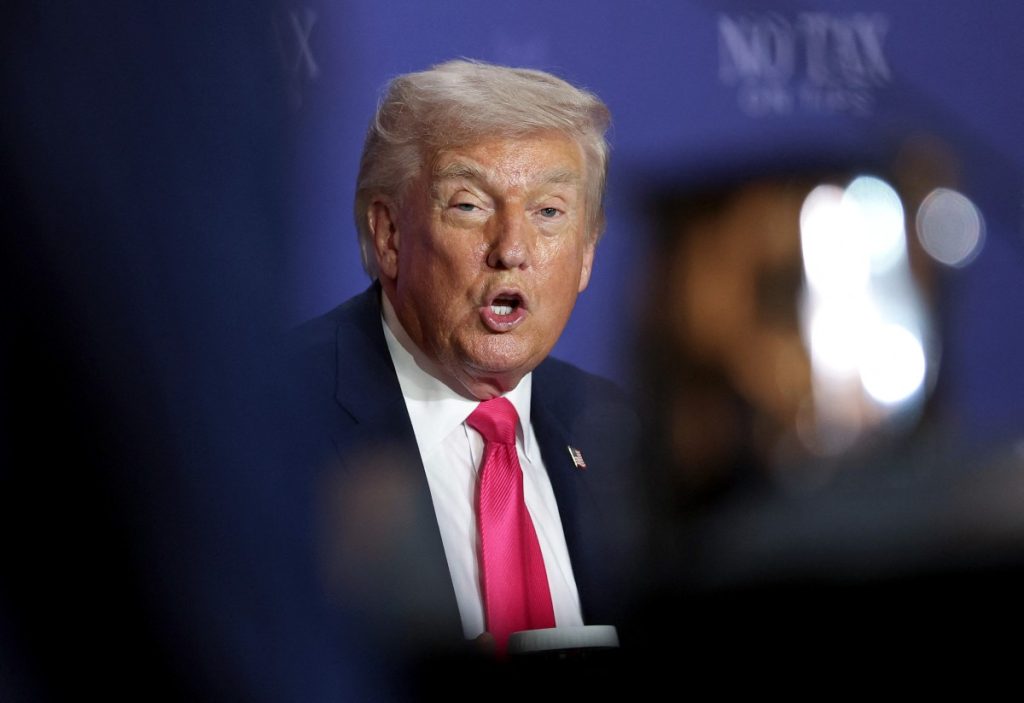
US President Donald Trump has expressed dissatisfaction with Iran's latest peace proposal, which aims to reopen the strategically vital Strait of Hormuz and lift the U.S. naval blockade of Iranian ports. Reports from White House officials indicate that Trump's concerns center on Iran's commitment to curtailing its controversial nuclear program and its regional activities, which the U.S. perceives as aggressive.
The proposal, which was seen as a diplomatic overture towards easing tensions, seemingly falls short of the comprehensive terms that the Trump administration seeks. “We need to ensure that any agreement guarantees the safety of our allies and our interests in the region,” stated John Bolton, National Security Advisor. This sentiment underscores the administration's cautious approach to engaging with Tehran, reflecting broader geopolitical anxieties.
As the situation develops, the prospects for a renewed dialogue between the U.S. and Iran appear dim. With both sides entrenched in their positions, the potential for escalating tensions remains high. Future negotiations may hinge on Iran's willingness to address U.S. concerns, but the path to lasting peace is fraught with uncertainty, emphasizing the need for careful diplomacy.