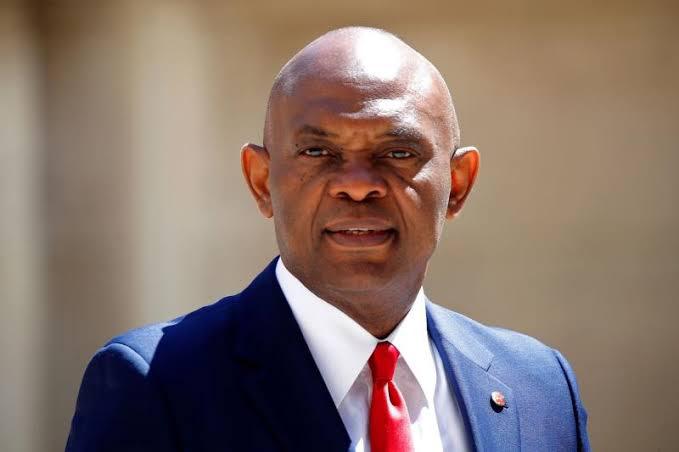
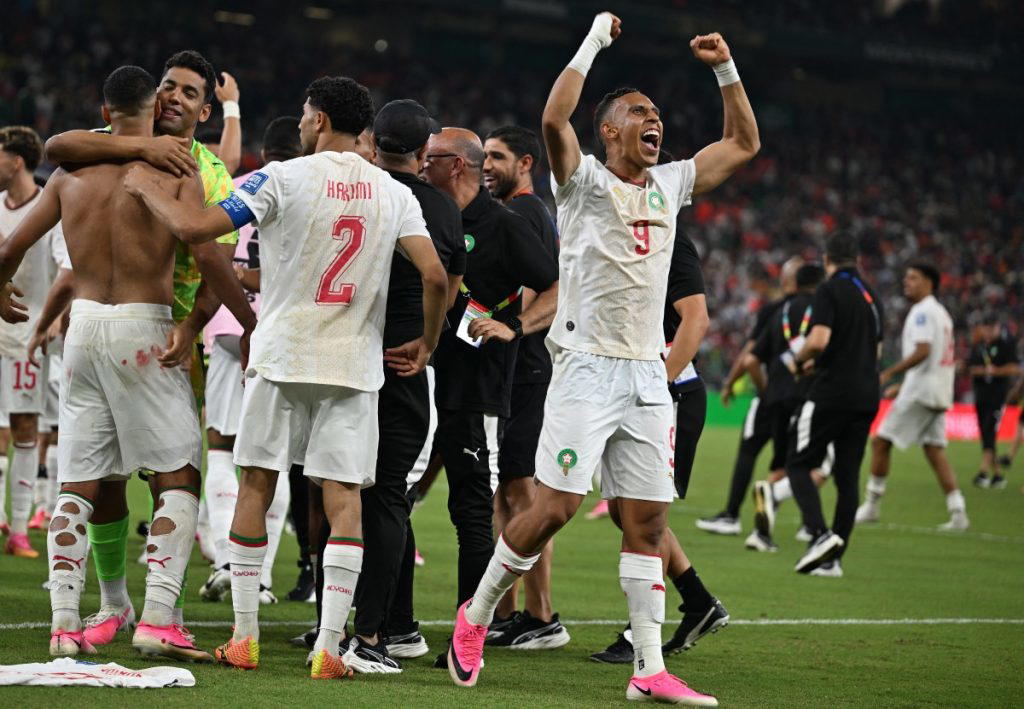
As the 2026 World Cup approaches, the intersection of sports and politics has become increasingly salient, particularly with Donald Trump's involvement. Following his controversial presidency, Trump has positioned himself as a vocal supporter of the tournament, aiming to leverage its global platform to regain influence. This comes amid a backdrop of FIFA's commitment to maintaining political neutrality, as articulated by President Gianni Infantino, who stated, "Sport must retain its political neutrality and be the standard-bearer of global unity in a world of extreme aggression and division."
The World Cup is set to take place in the United States, Canada, and Mexico, marking a historic moment for North American soccer. However, Trump's anticipated presence and rhetoric may overshadow the event, raising concerns about the politicization of a tournament aimed at fostering unity. While FIFA has sought to promote inclusivity, the convergence of Trump's brand of politics with the global spectacle of the World Cup could pose challenges to its ideals.
Looking ahead, the 2026 World Cup presents an opportunity for both celebration and contention, as the world watches how sports diplomacy unfolds in a politically charged environment.