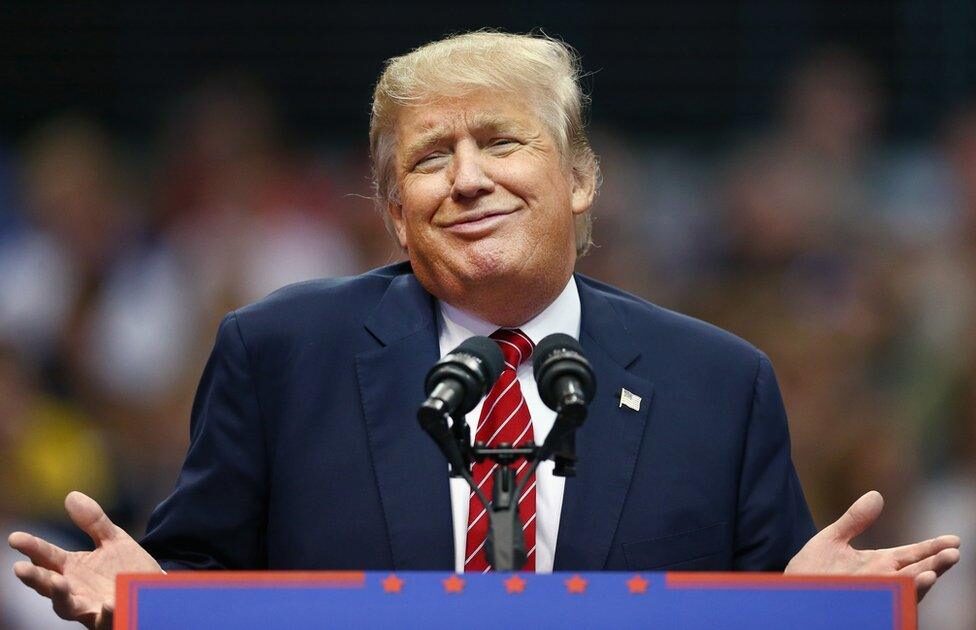
President Trump’s recent demands for Iran’s “unconditional surrender” have escalated tensions in an already volatile geopolitical landscape. Just weeks ago, Trump expressed confidence in a swift resolution to the conflict, projecting an image of strength. However, Iran's surprising response has shifted the dynamics, revealing a resilience that many analysts underestimated.
Iran's leaders, rather than capitulating, have rallied their military and diplomatic efforts, hinting at a strategic recalibration. “We will not yield to pressure; our sovereignty is non-negotiable,” stated Mohammad Javad Zarif, Iran's Foreign Minister, emphasizing their commitment to resist external demands. This defiance has raised concerns among international observers about the potential for prolonged conflict and instability in the region.
Looking ahead, the implications of this standoff are profound. As both nations dig in, the prospects for diplomatic resolution seem increasingly bleak, potentially drawing in regional allies and heightening global tensions. The situation calls for careful monitoring, as any miscalculation could have far-reaching consequences not just for Iran and the U.S., but for broader Middle Eastern stability as well.