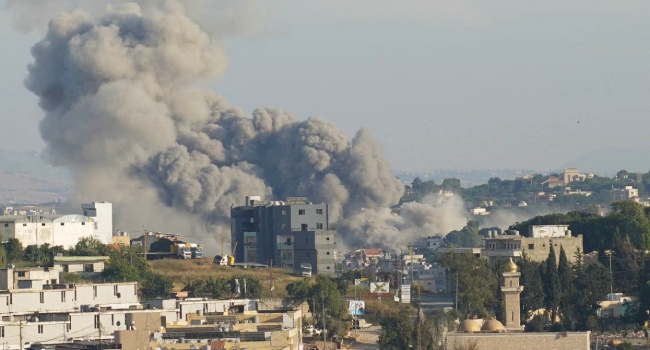
In a surprising turn of events, former President Donald Trump announced the cancellation of scheduled bombings against Iran, citing productive high-level discussions with Iranian leadership. This decision marks a significant shift in U.S. foreign policy, highlighting the potential for diplomatic engagement amidst escalating tensions in the region.
Trump's move comes after weeks of rising military rhetoric and concerns over Iran's nuclear ambitions. The former president emphasized, "Engaging in dialogue is essential for both nations, and it is time to explore peaceful resolutions." His comments reflect a growing recognition among U.S. leaders that military action may not be the most effective approach to address long-standing issues with Iran.
As the international community watches closely, this development raises questions about the future of U.S.-Iran relations. The potential for renewed negotiations could reshape the geopolitical landscape, offering a glimmer of hope for de-escalation. However, the effectiveness of these discussions will depend on the willingness of both sides to compromise on critical issues. The coming weeks will be crucial in determining whether this diplomatic overture leads to a lasting resolution or simply postpones further conflict.