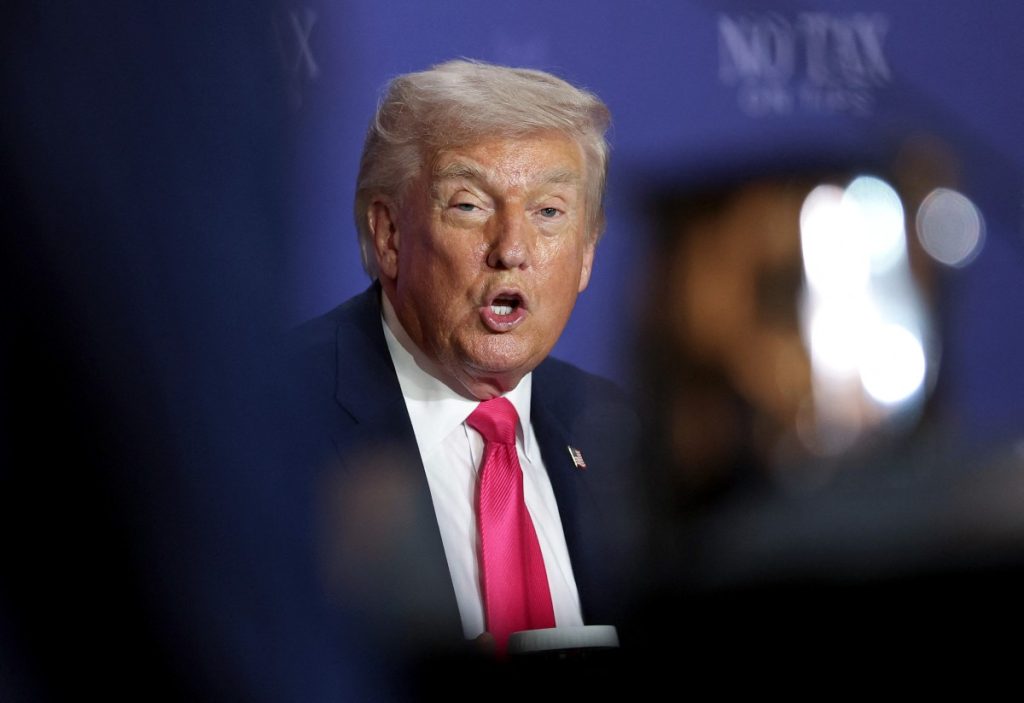
President Trump’s cancellation of a trip to Pakistan underscores the escalating tensions in the Middle East, particularly regarding Iran. Originally intended to facilitate dialogue, the visit was scrapped as the administration grapples with a complex geopolitical landscape. This decision raises concerns about the future of U.S.-Iran relations and the potential for military conflict.
In recent weeks, the U.S. has intensified its rhetoric against Iran, with Trump stating, “We are keeping all options on the table, but right now, we are not going to war.” This statement reflects a cautious approach, yet the cancellation of the Pakistan talks may stymie diplomatic efforts and further isolate Iran on the international stage. Pakistan, historically a mediator in regional conflicts, could have played a crucial role in easing tensions.
Looking ahead, the implications of this decision could reverberate through international diplomacy. With the geopolitical dynamics shifting rapidly, the need for constructive dialogue is more critical than ever. As both nations navigate their next moves, the potential for conflict looms, making it essential for stakeholders to seek diplomatic resolutions rather than military engagements.