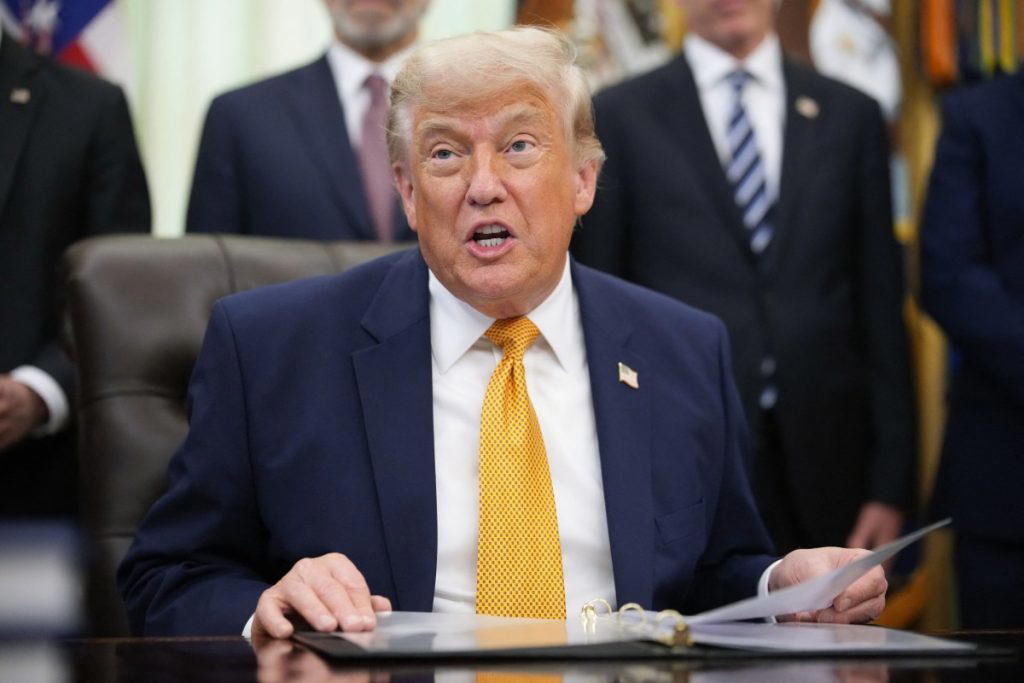
In a surprising turn of events, former President Donald Trump has reversed his plan to impose tolls on ships traversing the strategically vital Strait of Hormuz, a key maritime route for global oil supplies. Just a day after announcing the fees, Trump cited persuasion from Middle Eastern leaders as a significant factor in his decision, stating he is now "against charging any fees for the key waterway." This rapid shift underscores the delicate balance of geopolitical interests in the region.
The Strait of Hormuz is crucial, with nearly one-fifth of the world's oil transported through it. The proposed tolls had sparked concerns about potential retaliation from Iran and disruptions to global oil markets. Trump's initial plan faced backlash from industry stakeholders and allies, emphasizing the importance of maintaining open maritime navigation.
As tensions in the Middle East continue to evolve, Trump's backtrack may signal a broader strategy to foster cooperation with regional partners. The implications of this decision could affect U.S. relations with both allies and adversaries, suggesting that future policy moves will be closely watched as the geopolitical landscape shifts.