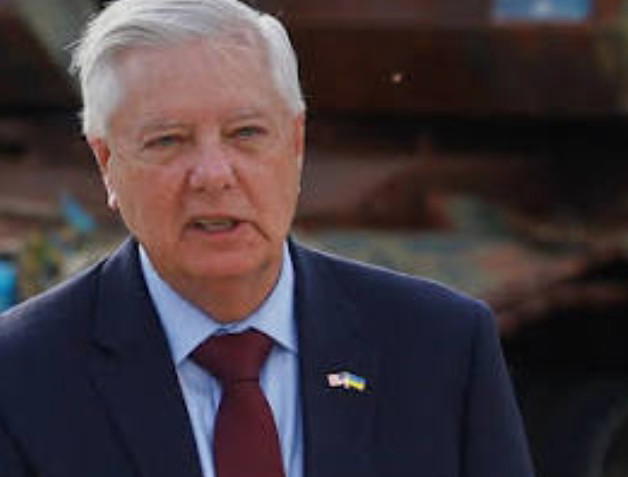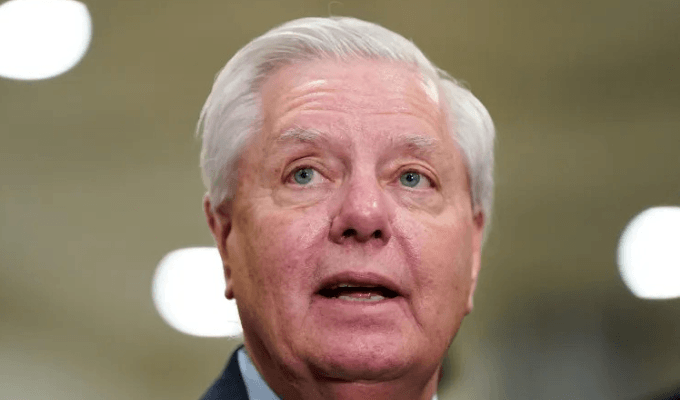
The political landscape in the United States faces a significant shift with the death of Lindsey Graham, a powerful Republican senator and staunch ally of Donald Trump, at the age of 71. Graham, known for his pivotal role in shaping GOP strategies and policies, was a prominent figure within the party, especially during Trump's presidency. His passing not only leaves a void in the Republican leadership but also raises questions about the future direction of the party.
Graham's career was marked by his ability to navigate complex political waters, often balancing traditional conservative values with a populist approach that resonated with Trump's base. "Lindsey was a fighter for our values and a loyal friend," said House Speaker Kevin McCarthy, reflecting on Graham's influence and dedication. His death may prompt a fierce battle for succession and redefine alliances within the GOP, particularly as the party prepares for future elections.
Looking ahead, Graham's absence may accelerate the ongoing ideological struggles within the Republican Party, compelling leaders to reassess their strategies and messaging to unify a fractured base. The implications of his death will resonate beyond the Senate floor, shaping the political narrative leading into the next election cycle.