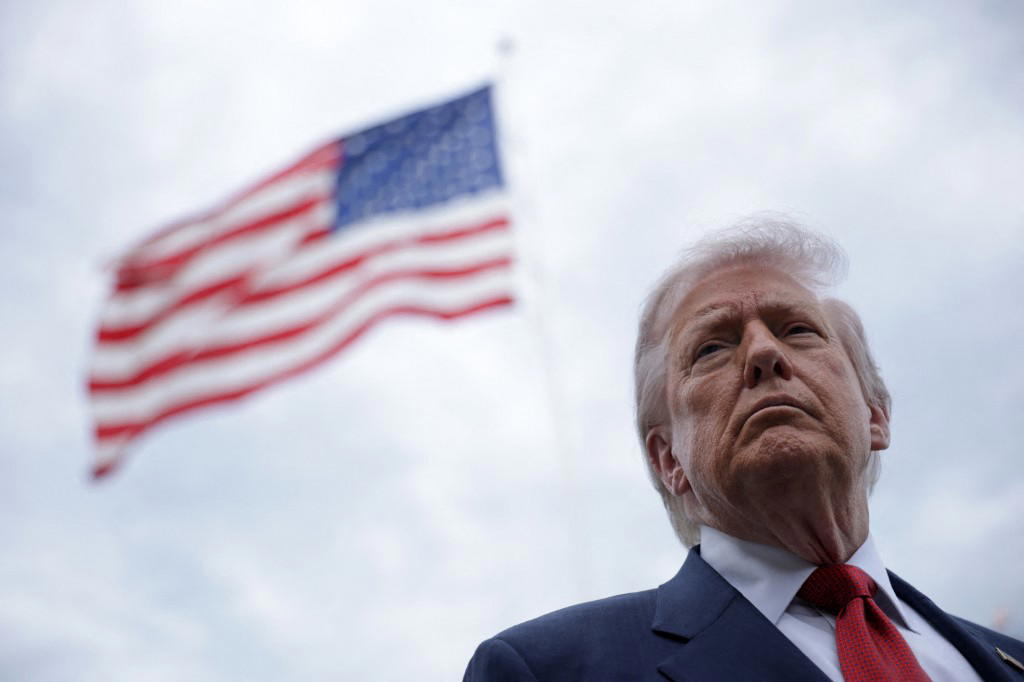
The Trump administration's recent decision to reconsider a contentious Green Card policy marks a significant shift in its immigration strategy. Initially, the administration mandated that non-citizens seeking permanent residency must return to their home countries to apply, a move that drew widespread criticism from immigrant advocacy groups and legal experts alike.
Under pressure, the administration has signaled a potential reversal, aiming to create a more accessible pathway to residency. "It is crucial that we recognize the contributions of immigrants to our society and economy," stated Maria Gonzalez, a prominent immigration attorney. This change comes in the wake of mounting public discontent and calls for more inclusive immigration reform.
As the administration navigates these turbulent waters, the implications of this policy shift could resonate beyond immediate immigration concerns, potentially reshaping the political landscape ahead of the 2026 elections. Stakeholders, including business leaders and community organizations, will be watching closely to see if this marks a genuine commitment to reform or merely a tactical retreat. The outcome will be pivotal in defining the administration's legacy on immigration policy.